

Facing Anxiety Through Faith: A Biblical Path to Peace That Transforms Life Challenges
NOVEMBER 25, 2025

Living with chronic illness reshapes every part of a person’s life—body, mind, relationships, and faith. It interrupts routines, alters dreams, and often forces a person to redefine what “normal” looks like. For Christians, chronic illness becomes not only a physical challenge but a deeply spiritual one. It raises questions about God’s presence, healing, purpose, and hope. Yet within this difficult reality, believers often discover profound spiritual growth, unexpected strength, and a renewed understanding of God’s love.
This expanded guide explores how faith can remain vibrant throughout long-term illness, how Scripture speaks into suffering, and how believers can cultivate resilience while embracing God’s presence in every season.
The Christian View on the Meaning of Suffering (meaning of suffering Christian view)
Suffering invites uncomfortable questions: Why me? Where is God? What purpose can pain serve? Christian theology does not deny these questions—it addresses them honestly.
In the Bible, suffering is portrayed as both mysterious and meaningful:
The Christian view does not promise an easy life; it promises a meaningful one. Chronic illness becomes a space where God works in hidden yet powerful ways.

Why “spiritual endurance” in sickness matters (spiritual endurance sickness)
Endurance is more than survival—it is the resilient trust that continues even when circumstances remain hard. Chronic illness often requires endurance because:
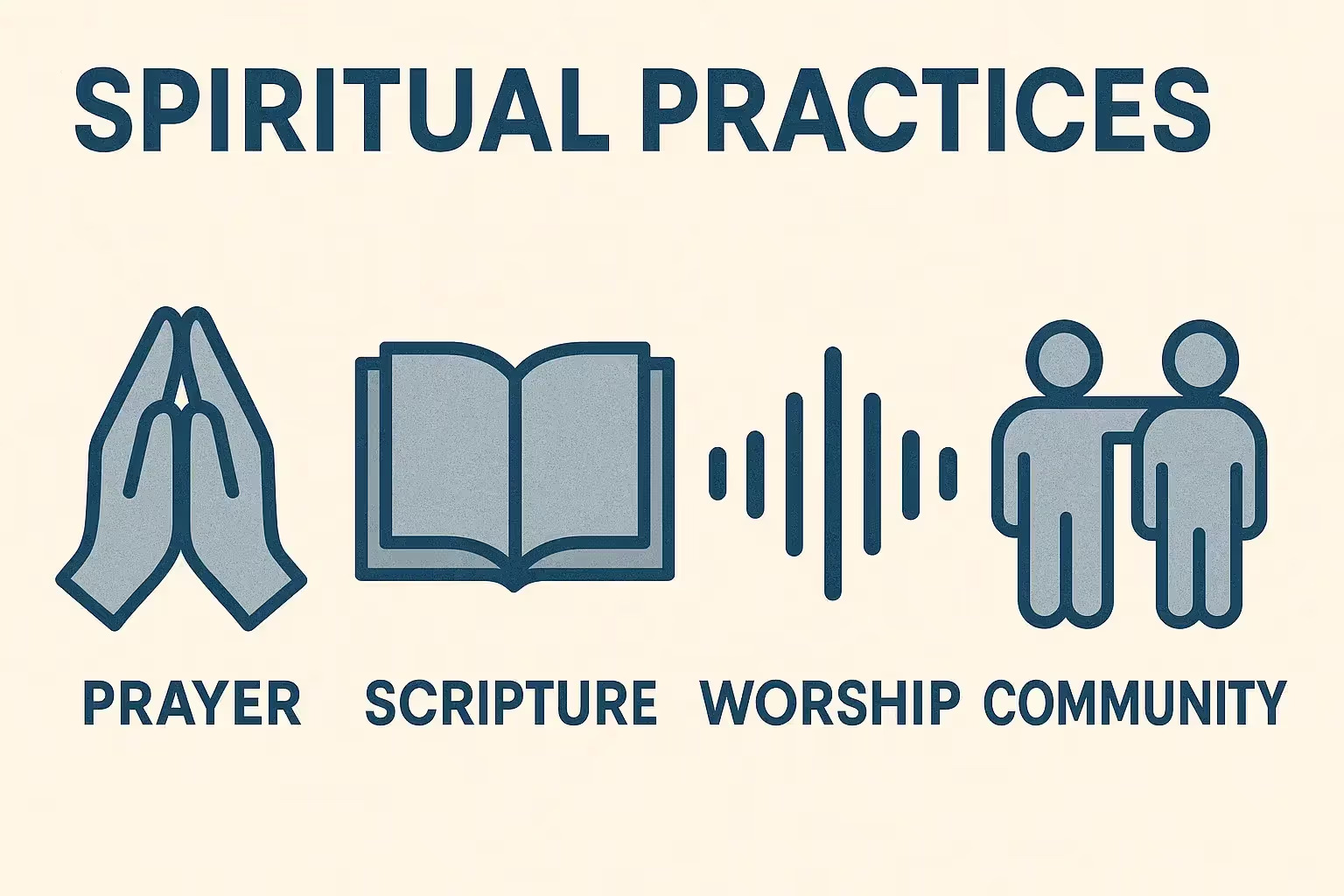
Spiritual endurance, strengthened through prayer, Scripture, and Christian community, becomes a lifeline. It is the ongoing choice to believe in God’s goodness even when life feels fragile.
Key Bible Verses for Healing and Comfort (Bible verses for healing)
Scripture contains countless words of comfort for those who are hurting. These verses do not promise immediate healing but assure us of God’s presence:
These verses provide comfort not because they deny suffering but because they meet us inside it.
Stories of Suffering in Scripture and What They Show Us
The Bible does not shy away from suffering. Instead, it highlights how God works within it.
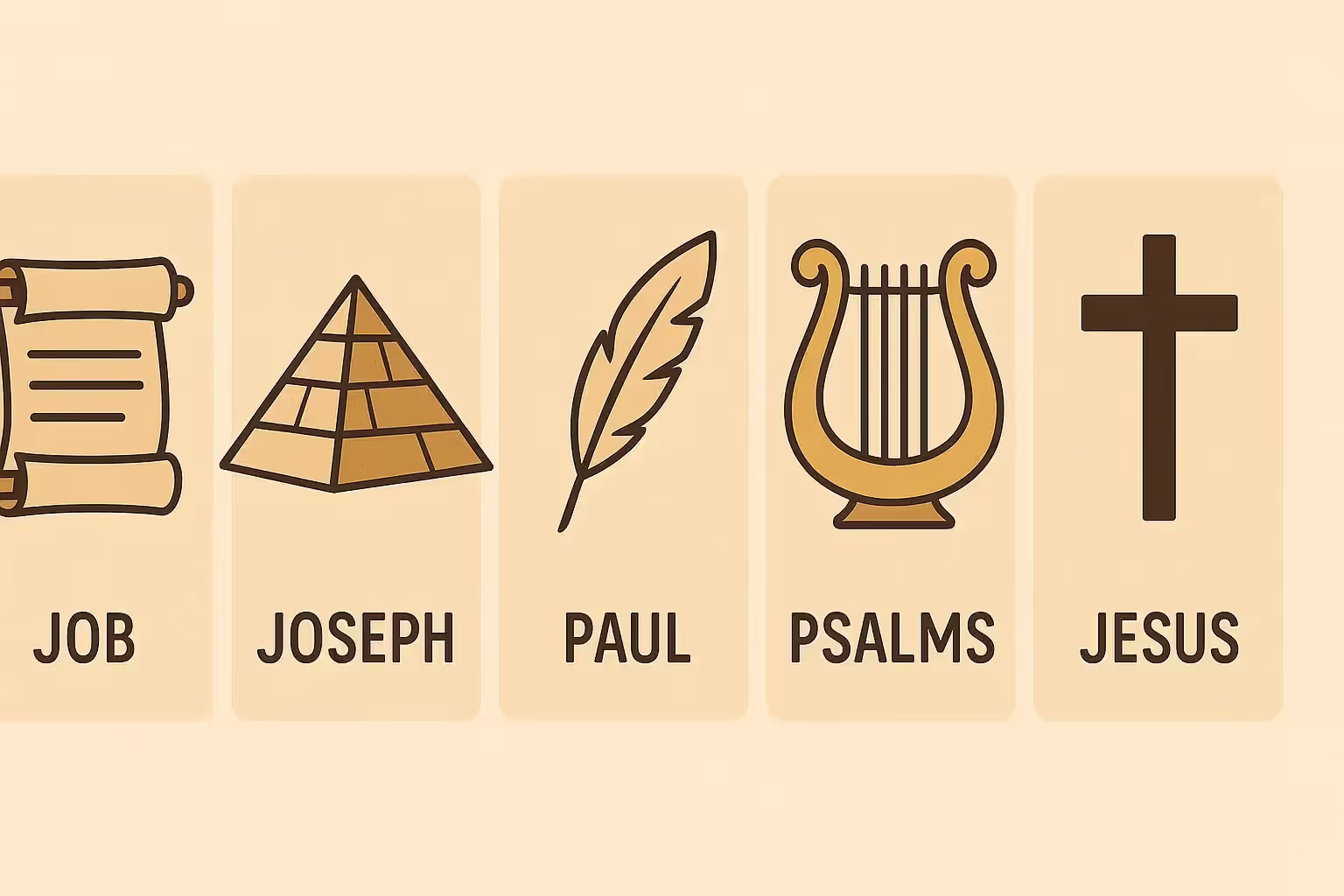
Job teaches us that suffering is not always connected to personal sin. His story shows the complexity of pain and the faithfulness of God even when answers are hidden.
Joseph demonstrates how God can transform long periods of hardship into redemptive stories that bless others.
Paul shows that unanswered prayers do not equal divine neglect. His “thorn in the flesh” became the backdrop for God’s strongest display of grace.
The Psalms offer an emotional map for believers. They include cries of anguish, expressions of fear, and declarations of trust—reminding us that raw honesty with God is welcome.
Jesus Himself experienced exhaustion, grief, betrayal, physical pain, and abandonment. He understands chronic suffering at a personal level.
These stories assure us that God does not distance Himself from pain—He enters it.
Faithful coping is not pretending everything is fine. It is walking through illness with wisdom, spiritual grounding, and honesty before God.
Building a Habit of Prayer, Scripture and Community
Why do spiritual habits matter in illness?
These habits do not eliminate pain, but they keep the heart aligned with God’s promises.
Encouragement for the Chronically Ill: Real-Life Examples (chronic illness encouragement)
Many Christians with chronic illness describe unexpected blessings:
These stories highlight that God’s work is not limited by physical ability.
When Healing Doesn’t Come—What Then?
The question of unanswered prayer can be one of the most difficult aspects of chronic illness.
When healing delays:
God’s timing is not a sign of His love or lack thereof—His presence is.
Hope is more than positive thinking; it is a confident expectation rooted in God’s character. Chronic illness often tries to steal hope, but Scripture continually restores it.
Transforming Weakness into Strength
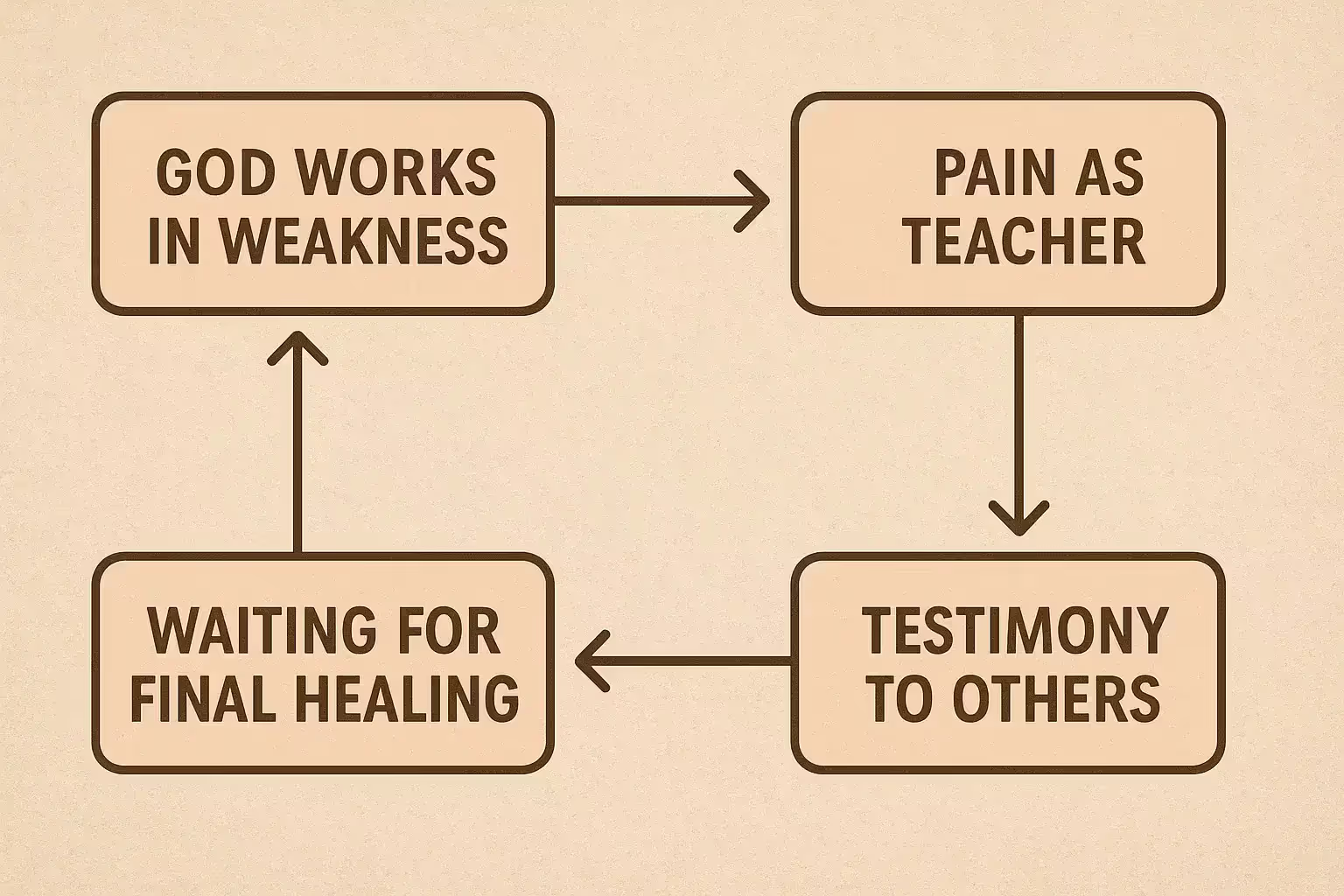
Weakness invites God’s power to shine. Many people testify that:
God transforms weakness into spiritual strength that inspires others.
Using Chronic Illness as a Platform for Witness and Service
Illness can open doors that health sometimes closes:
The world listens differently to those who suffer with hope.
Listening, Serving, Loving Well
People with chronic illness often feel unseen. Churches can show Christlike love through:
Love becomes tangible through presence and consistency.
Avoiding Platitudes; Offering Real Hope
Well-intentioned but shallow comments can wound deeply. Instead of offering quick fixes or theological shortcuts, offer:
Real hope acknowledges pain without denying God’s goodness.
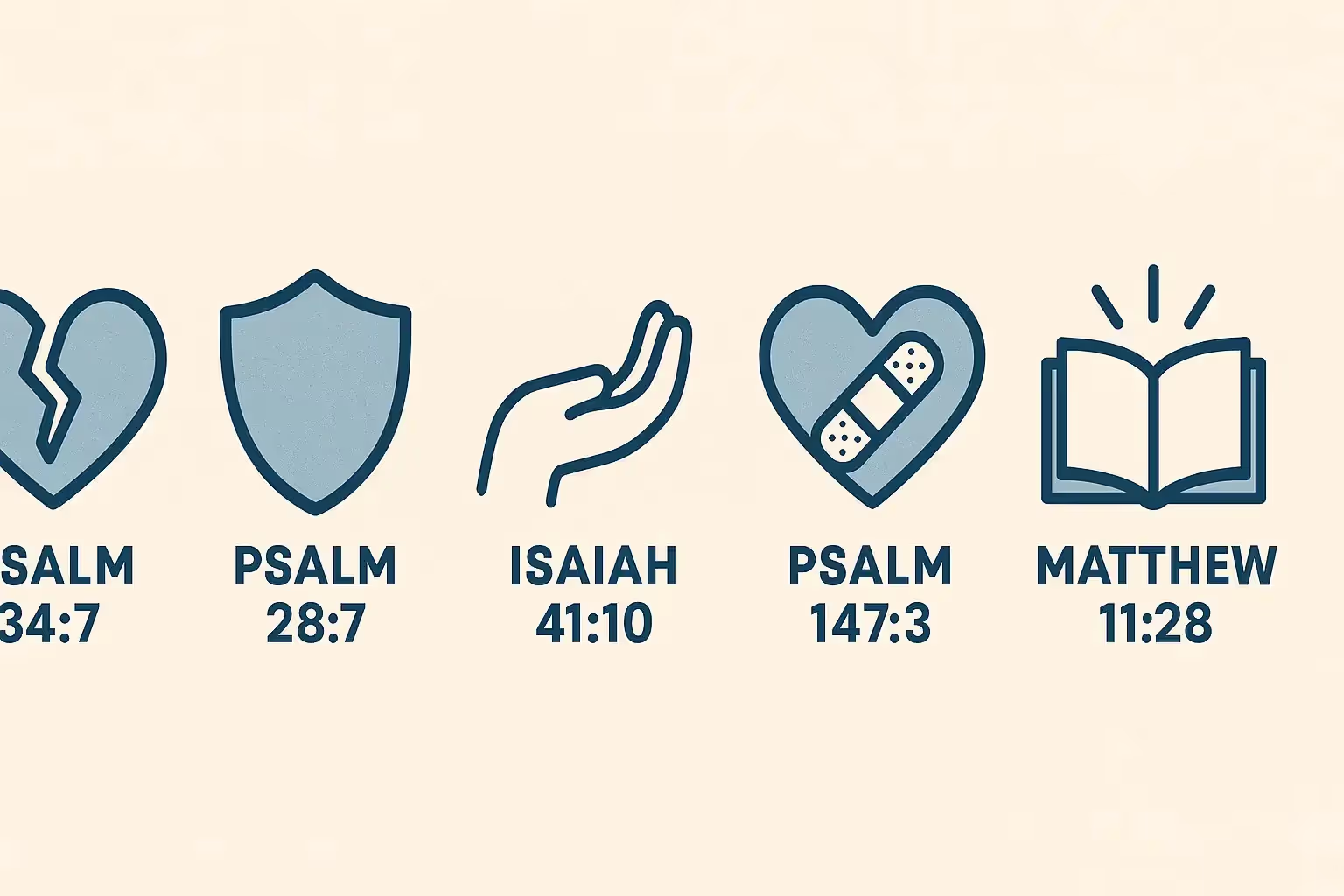
Psalm 34:18
“The Lord is close to the brokenhearted.”
Encouragement: God is near in suffering.
How to Apply: Pray this during moments of loneliness or fear.
Isaiah 41:10
“Do not fear, for I am with you…”
Encouragement: God promises His presence.
How to Apply: Speak it aloud as a daily affirmation of truth.
2 Corinthians 12:9
“My grace is sufficient for you…”
Encouragement: God’s power shines in weakness.
How to Apply: Meditate on it during flare-ups or exhaustion.
Psalm 147:3
“He heals the brokenhearted…”
Encouragement: God cares about emotional wounds.
How to Apply: Use it in journal reflections when discouraged.
Matthew 11:28
“Come to Me, all who are weary…”
Encouragement: Jesus offers rest for the weary.
How to Apply: Bring all burdens to God in simple, honest prayer.
Chronic illness is a road that tests patience, strength, and faith. Yet it is also a sacred space where God reveals His nearness in profound ways. Even when the body weakens, the spirit can flourish. Even when answers are delayed, God’s presence is steady. Even when hope flickers, God breathes new life into weary hearts.
Remember:
Wherever you are on your journey, you are not alone. God is present, compassionate, and faithful. He sustains, comforts, and strengthens—even in the longest seasons of suffering.
Why hasn’t God healed me yet?
Sometimes God chooses to heal physically; other times He gives sustaining grace. Delayed healing is not punishment, and unanswered prayers do not mean abandonment. God works through both miracles and endurance.
Is my illness a punishment or my fault?
No. Scripture shows that sickness is not automatically linked to personal sin. Jesus rejected this idea clearly. Illness is part of living in a fallen world, not a mark of divine anger.
How do I keep faith when pain is constant?
Stay grounded in daily spiritual practices: brief prayers, Scripture meditation, worship, and community support. Faith grows through small, consistent choices rather than strong emotions.
NOVEMBER 25, 2025
NOVEMBER 24, 2025
NOVEMBER 24, 2025
NOVEMBER 24, 2025