

Digital Sabbath: Finding Rest in a Screen-Obsessed World
NOVEMBER 25, 2025
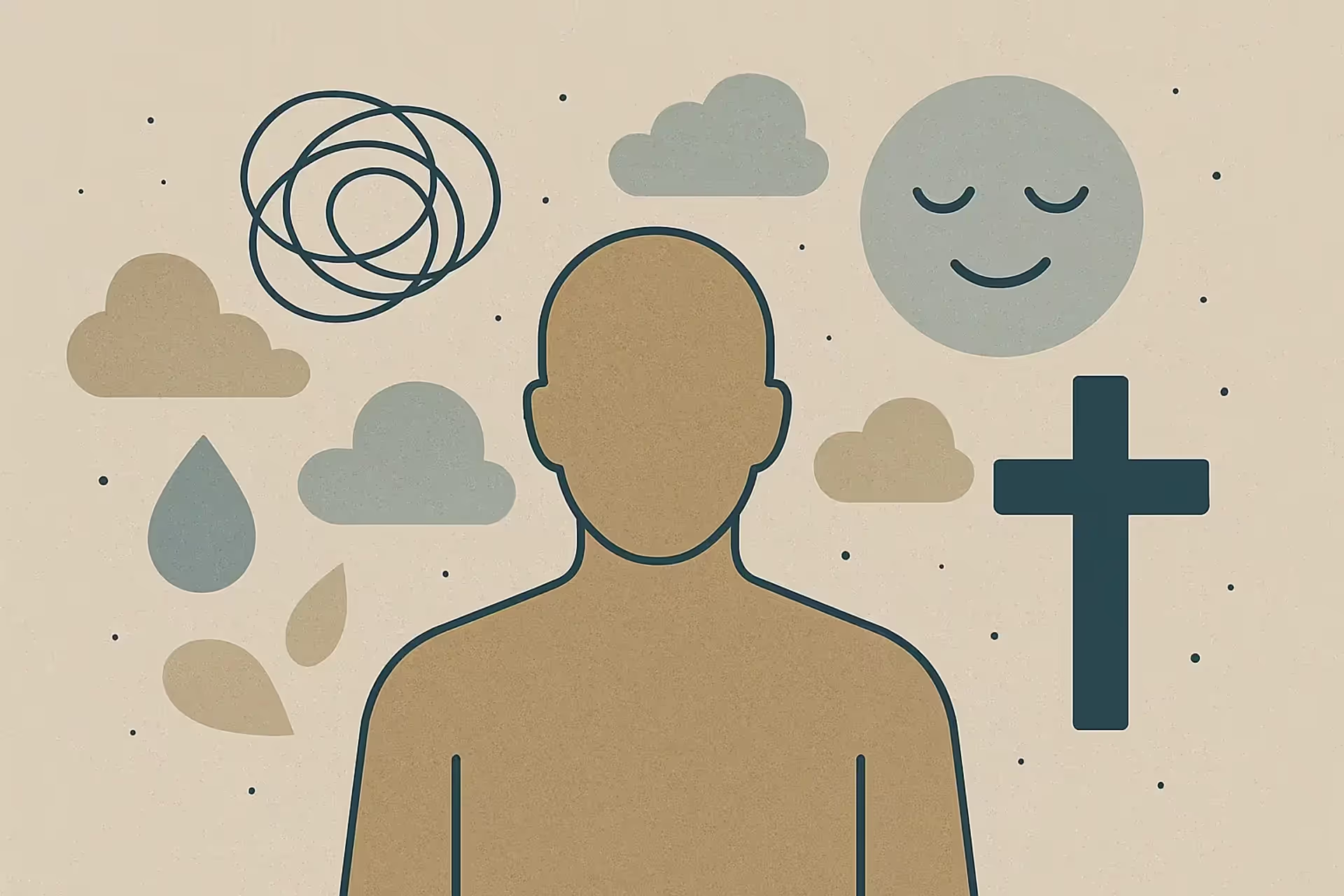
Mental health has become one of the most important global conversations of the century. Yet many Christians still struggle to understand how emotional and psychological challenges fit within their faith. For centuries, the Church has focused primarily on spiritual formation—but Scripture teaches that humans are holistic beings. Our minds, bodies, and spirits are interconnected.
A strong Christian approach to mental health recognizes that emotional well-being is not separate from faith but an essential part of living fully in God’s design. When we explore emotional well-being Christian perspectives, we discover that caring for the mind is just as important as caring for the spirit. Depression, anxiety, and emotional pain are not signs of weak faith but reminders that we live in a fallen world and need God and community.

Biblical Perspective on Emotional Health
Scripture is filled with emotionally complex figures: David expressed despair and loneliness in the Psalms. Elijah experienced burnout and asked God to take his life. Job suffered deep anguish and questioned everything. Jesus Himself felt grief, sorrow, and distress. These biblical accounts show that emotional suffering is not sinful. Instead, it is human. God meets people in their darkest moments, offering hope, presence, and restoration.
Common Misconceptions About Mental Health in the Church
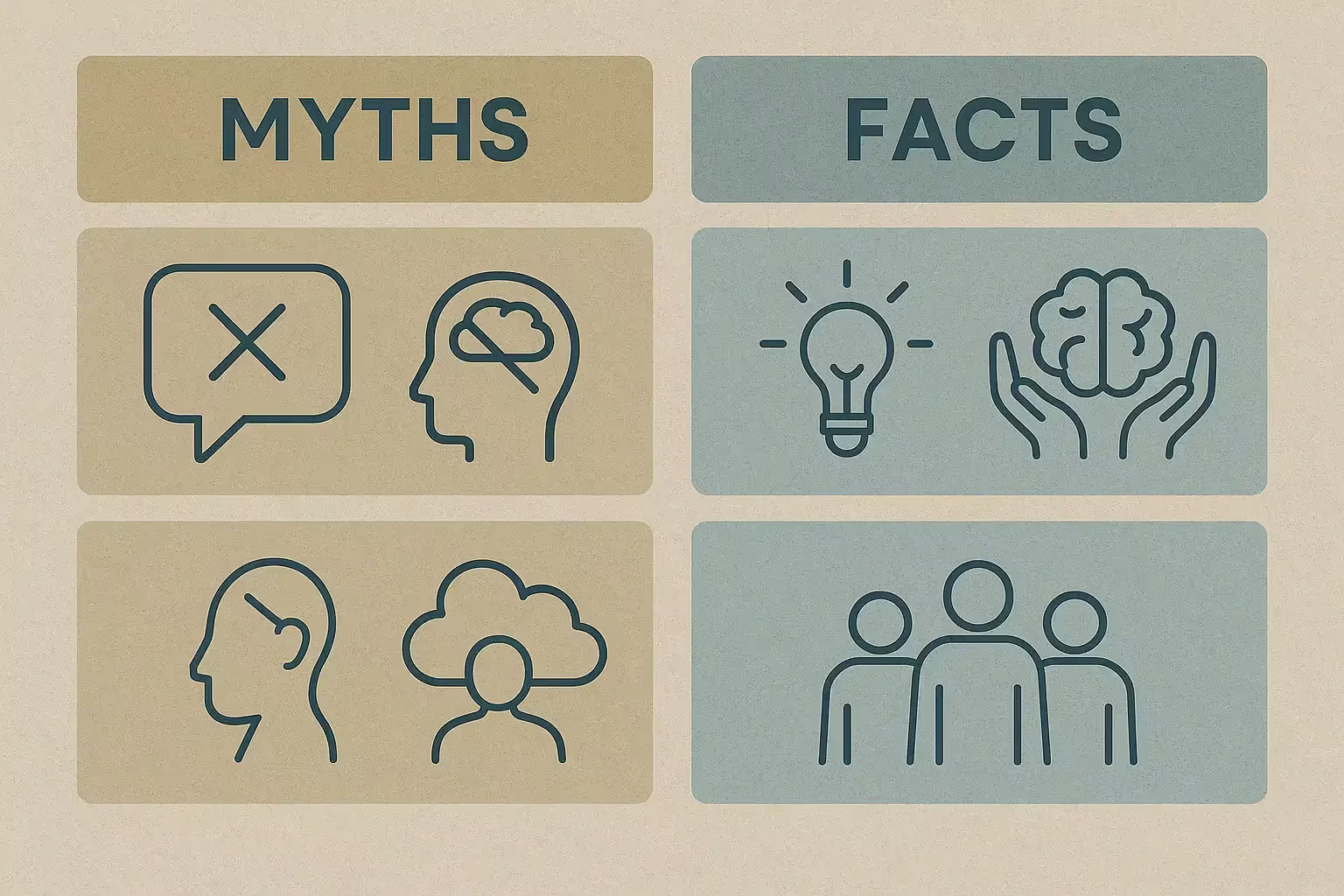
Despite growing awareness, several misconceptions persist in Christian communities: some believe that true Christians shouldn’t struggle with anxiety or depression, that if you pray harder your emotional issues will disappear, that mental health conditions indicate a lack of faith, or that therapy is worldly and unnecessary. These beliefs contribute to shame and silence. A healthier view recognizes that mental health struggles are real and require both spiritual and practical support.
Faith profoundly influences how we interpret stress, suffering, and emotional pain. A believer’s worldview shapes coping strategies, practices, and beliefs about healing.
How Faith Shapes Our Emotional Responses
For many Christians, faith provides a sense of meaning and purpose during suffering, hope beyond current circumstances, a supportive community, prayer as an emotional anchor, and scriptural truth to counter destructive thoughts. The relationship between faith and depression or anxiety and Christianity is complex. Faith does not eliminate the possibility of mental health issues, but it offers powerful tools for navigating them.
The Role of Prayer, Scripture, and Community Support
Prayer can regulate emotions, calm the mind, and strengthen resilience. Scripture provides grounding truths, such as God’s presence, love, and promises. Community support—small groups, mentors, pastoral care—can break the isolation many people feel and provide a safe context to share burdens and receive encouragement.
When Faith Feels Silent: Spiritual Struggles During Depression
Depression and anxiety can distort spiritual perception. People may feel that God is distant, that prayer “isn’t working,” guilt for having negative emotions, or fear of being judged in church. These experiences are common. They do not reflect a person’s true spiritual standing but the effects of emotional suffering on the human mind.
Faith and Depression: What the Bible Says
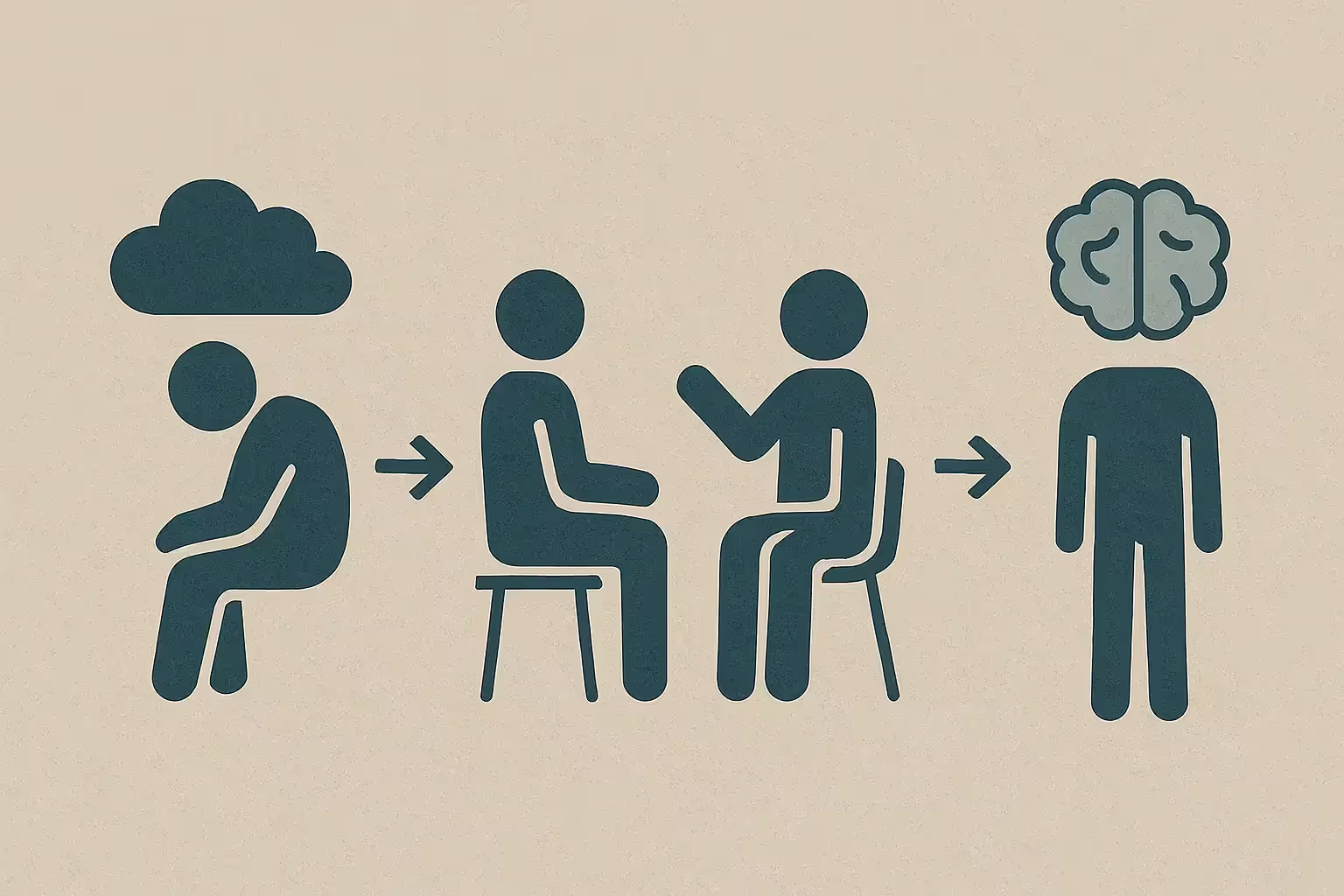
The Bible does not condemn those who suffer from depression. Instead, it acknowledges human frailty and points to God’s compassion. Psalm 34:18 says that the Lord is close to the brokenhearted. Stories of David, Elijah, and Job reveal that depression can coexist with deep faith and that God remains present in the midst of pain.
Anxiety and Christianity: How Believers Can Cope
Christians often quote verses like “Do not be anxious” without context, creating pressure to feel perfect peace at all times. But biblical commands regarding anxiety are invitations—not accusations. They call believers to bring their worries to God, not to suppress emotions. Helpful practices include meditating on Scripture, practicing breathing and grounding exercises, confiding in trusted believers, and seeking professional care when needed.
Myths vs Truth: “Christians Shouldn’t Feel Anxious or Depressed”
One myth says that anxiety and depression indicate spiritual failure. The truth is that they are medical and emotional conditions that can affect anyone. Another myth suggests that faith alone should cure emotional pain, while in reality God often works through prayer and practical help—doctors, therapists, and community.
Stigma remains a significant issue, often preventing Christians from seeking help when they need it most. Mental health stigma church environments sometimes unintentionally reinforce silence and shame.
Why Stigma Still Exists
Common reasons for ongoing stigma include misinterpretation of Scripture, cultural traditions within churches, fear of appearing weak, and lack of education on mental health. Without open conversations, many believers continue to suffer in silence rather than receive the support they need.
How Churches Can Break the Stigma
Churches can promote healing by preaching openly about emotional struggles, encouraging counseling, training leaders to recognize symptoms, hosting support groups, and partnering with Christian mental health professionals. When leaders model vulnerability and compassion, communities become safer places to share burdens.
How to Support Someone in Your Congregation
Practical ways to help include listening without judgment, avoiding overspiritualizing their pain, offering prayer and presence, encouraging professional care, and providing community resources or connections to Christian counselors.
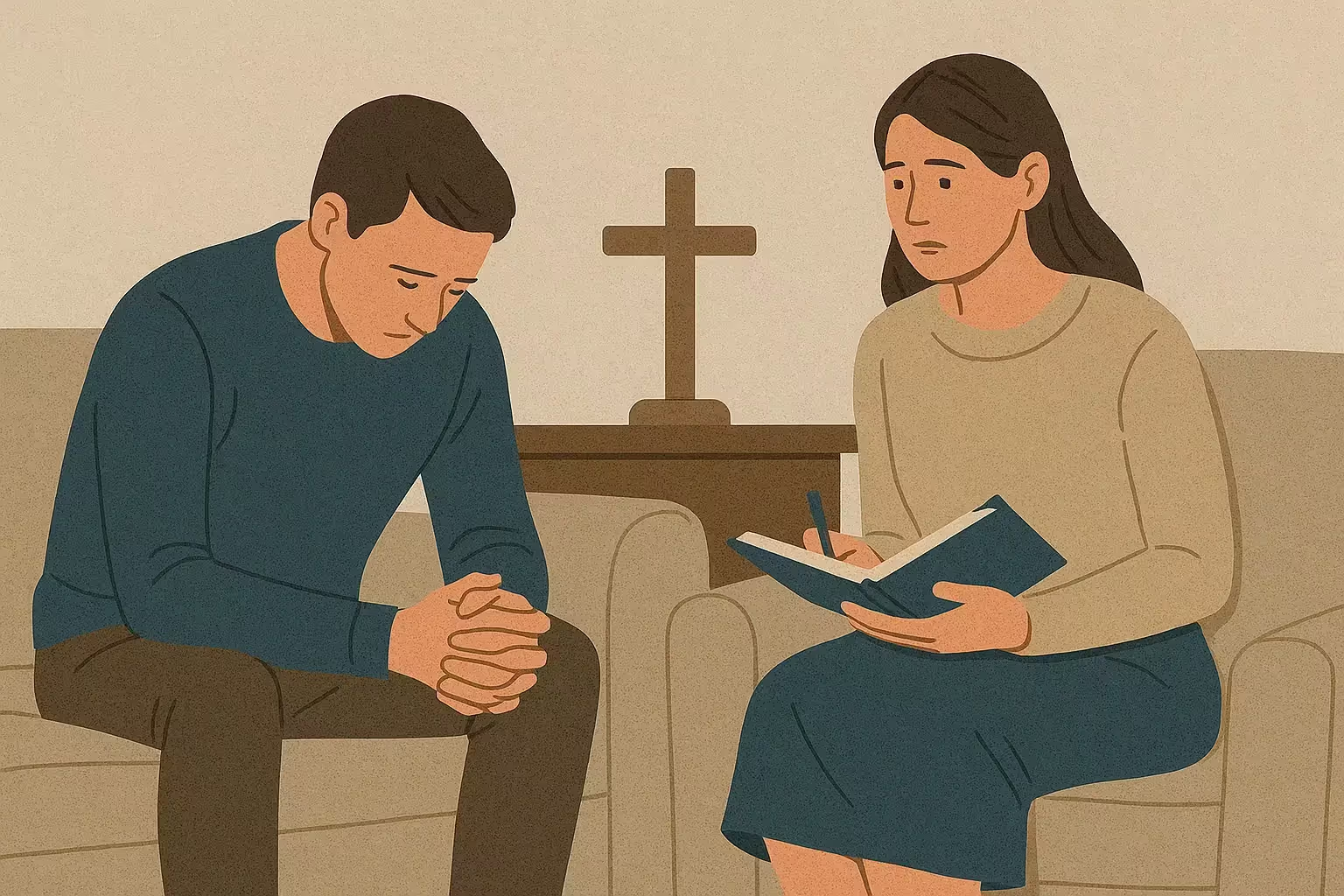
A strong biblical worldview embraces both faith and wisdom. God uses multiple means, including psychology, to bring healing and growth.
How Therapy and Faith Can Work Together
Therapy can help believers identify patterns, heal trauma, and develop coping strategies. When integrated with biblical truth, it becomes a powerful tool. This is the essence of holistic Christian health—treating the whole person: body, mind, and spirit.
When to Seek Professional Help
It is wise to seek help when you notice persistent sadness or hopelessness, uncontrolled anxiety, thoughts of self-harm, difficulty functioning day-to-day, social withdrawal, or overwhelming stress or trauma. God does not ask believers to face suffering alone. Seeking help is a step of wisdom, not a sign of spiritual failure.
Christian Counselors vs Secular Counselors
Christian counselors incorporate Scripture and faith-based tools, while secular counselors focus solely on psychology. Both can be helpful; the best choice depends on individual needs. Many Christians work successfully with secular therapists as long as core faith values are respected and honored in the process.
Daily Faith Practices to Reduce Anxiety
Simple daily rhythms can greatly support mental health: start with a morning devotional, use short breath prayers throughout the day, practice gratitude journaling, meditate on calming Scripture passages, and engage in worship to lift emotional burdens and refocus on God’s presence.
Grounding Exercises + Prayer Techniques
You can pair practical grounding exercises with prayer. For example, use the 5–4–3–2–1 sensory grounding method while reciting a psalm, practice deep breathing while repeating a verse like “Be still and know that I am God,” or go for a gentle walk while praying and noticing God’s creation around you.
Building a Supportive Faith Community
Healthy Christian community should be a place where vulnerability is safe. Join a small group, seek accountability relationships, or connect with mentors who offer emotional and spiritual support. Being known and loved in community is a powerful protection against isolation and despair.
Maria battled severe postpartum depression. She felt shame for having negative thoughts despite believing in God’s goodness. After meeting with a Christian counselor, opening up to her small group, and committing to prayer and medication, she gradually found healing and learned to extend grace to herself.
Daniel, a worship leader, struggled with anxiety attacks and feared being judged by others. After learning grounding techniques, journaling Scripture, and seeking community support, he regained emotional stability and learned to recognize and manage his triggers early.
Elena’s trauma from childhood resurfaced in adulthood. Therapy helped her process painful memories, while her pastor guided her spiritually. The combination of counseling, prayer, and community changed her life and restored her sense of identity in Christ.
Hotlines, Christian Therapists, Support Groups
Believers can look for local pastoral counseling services, Christian counseling centers, directories of faith-based therapists, crisis hotlines (which vary by country), and church support groups for anxiety and depression. These resources can provide both immediate and long-term support.
Recommended Books, Sermons, and Online Ministries
Helpful materials include books like “Emotionally Healthy Spirituality” by Peter Scazzero and “Winning the War in Your Mind” by Craig Groeschel, online ministries such as Focus on the Family, and podcasts or sermons by Christian psychologists and pastors who speak openly about mental health.
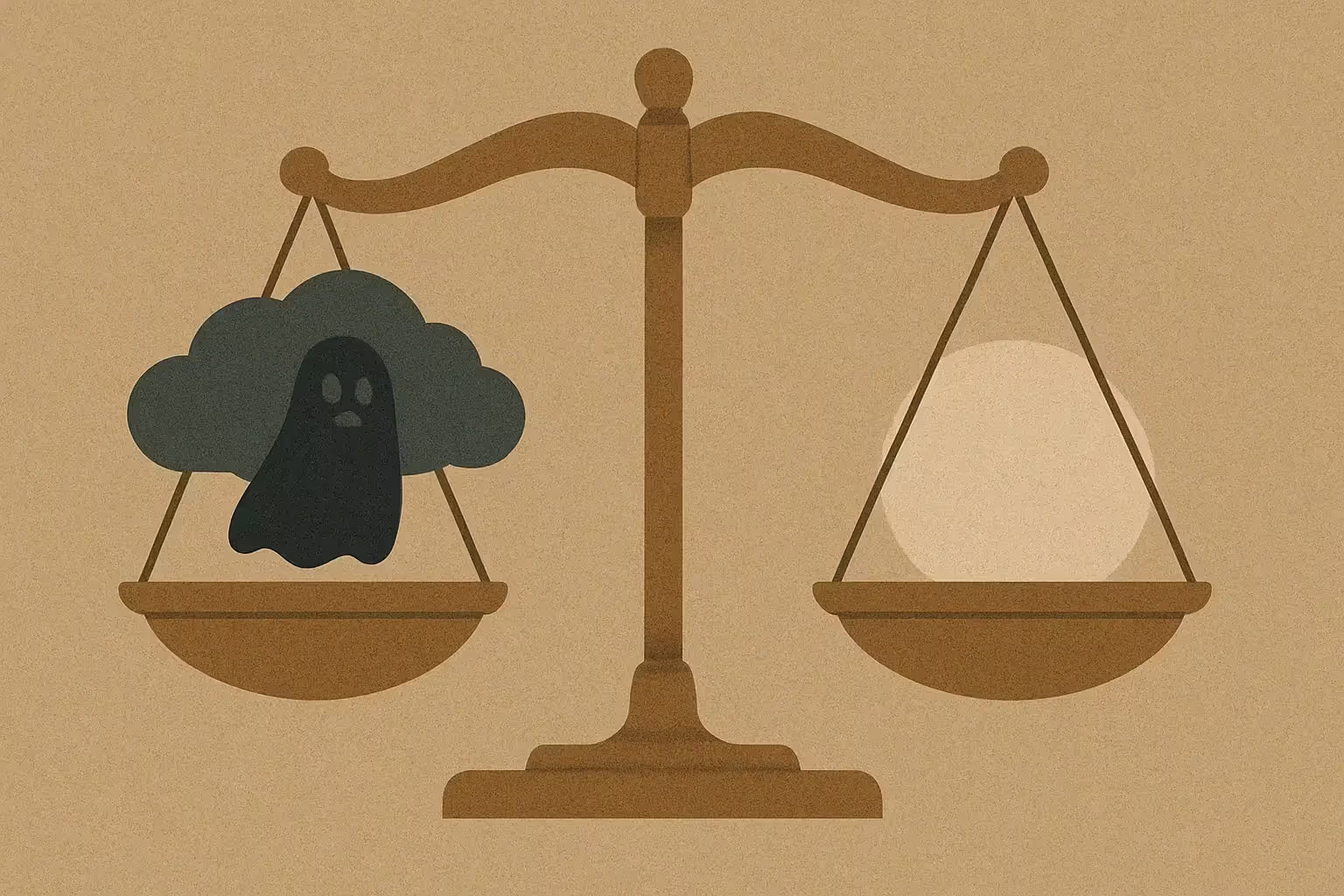
Some Christians fear that therapists might weaken their faith, but in reality, many Christian counselors actively integrate Scripture and prayer into their sessions.
There is also a belief that depression means a lack of faith, yet depression is actually a medical and emotional condition, not a spiritual verdict.
Another misconception is that prayer should be enough, but while prayer is essential, God also works through therapy, medicine, and supportive community.
Finally, some assume that only secular people need counseling, but many devoted believers benefit greatly from professional guidance and support.
One common myth is that Christians should always feel joyful. The truth is that even biblical heroes experienced emotional valleys. Another myth says you can simply “pray away” all mental struggles, while the truth is that prayer helps but God often heals through multiple channels. A third myth claims that talking about mental health is unspiritual, but in reality transparency builds stronger, healthier communities.
Practical ideas include focused breathing while repeating a comforting Bible verse, writing a prayer of surrender to God, reflecting on God’s presence in silence, reading psalms aloud, and journaling emotions before intentionally entrusting them to God in prayer. These practices combine spiritual depth with emotional awareness and can be powerful tools for everyday peace.
Q: Can Christians seek therapy for mental health issues?
A: Yes. Therapy is a wise and responsible choice; God can use trained professionals to bring healing and clarity.
Q: What does the Bible say about depression?
A: Scripture acknowledges emotional suffering and shows that God is close to the brokenhearted, offering comfort and hope in dark seasons.
Q: Is anxiety a sin according to Christianity?
A: Anxiety itself is not a sin. It is a human emotion. The Bible offers comfort and encouragement, inviting believers to bring their worries to God.
Q: Does seeking medication show weak faith?
A: No. Medication can be part of God’s provision, just like treatment for physical illness. Using it wisely under medical supervision can support healing.
Q: How can I support a friend in church who struggles emotionally?
A: Listen, pray, encourage them, and help them access professional resources. Be patient, compassionate, and consistent in your support.
NOVEMBER 25, 2025
NOVEMBER 25, 2025
NOVEMBER 25, 2025
NOVEMBER 25, 2025
NOVEMBER 25, 2025