

Discovering Spiritual Gifts: How to Identify and Use God-Given Talents
NOVEMBER 25, 2025
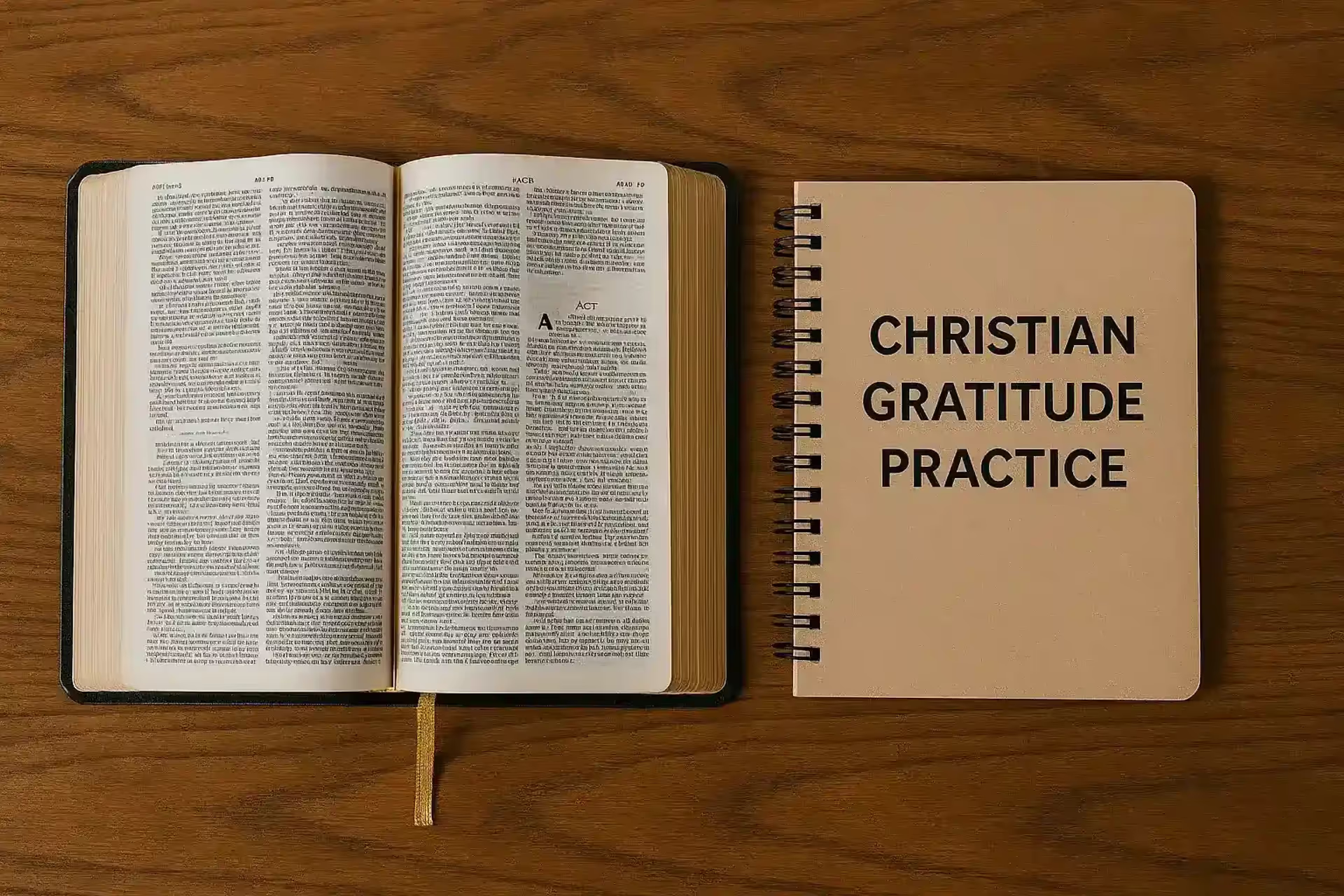
Christian gratitude practice is the intentional, Bible-rooted discipline of recognizing God’s blessings, responding to His goodness, and nurturing a thankful heart in both joyful and difficult seasons. It goes beyond a simple appreciation for pleasant moments. It is a spiritual posture that acknowledges God as the ultimate source of every gift, from daily provision to eternal salvation. In contrast to secular gratitude routines—often centered around psychology, mindfulness, or emotional wellness—Christian gratitude is grounded in relationship. God is a personal, loving Father. Gratitude becomes an act of devotion directed toward Him, an expression of trust and worship rather than a method of self-improvement. Many believers describe Christian gratitude practice as transformative because it changes how one thinks, prays, and perceives challenges. Gratitude shifts the heart from worry to trust, from complaint to praise, from self-focus to God-awareness. Importantly, biblical gratitude is not dependent on favorable circumstances. Scripture calls Christians to give thanks “in all circumstances,” not because every event is good, but because God’s character is unchanging. Gratitude in times of suffering does not deny pain—it invites God’s perspective into it and strengthens faith through the storm.
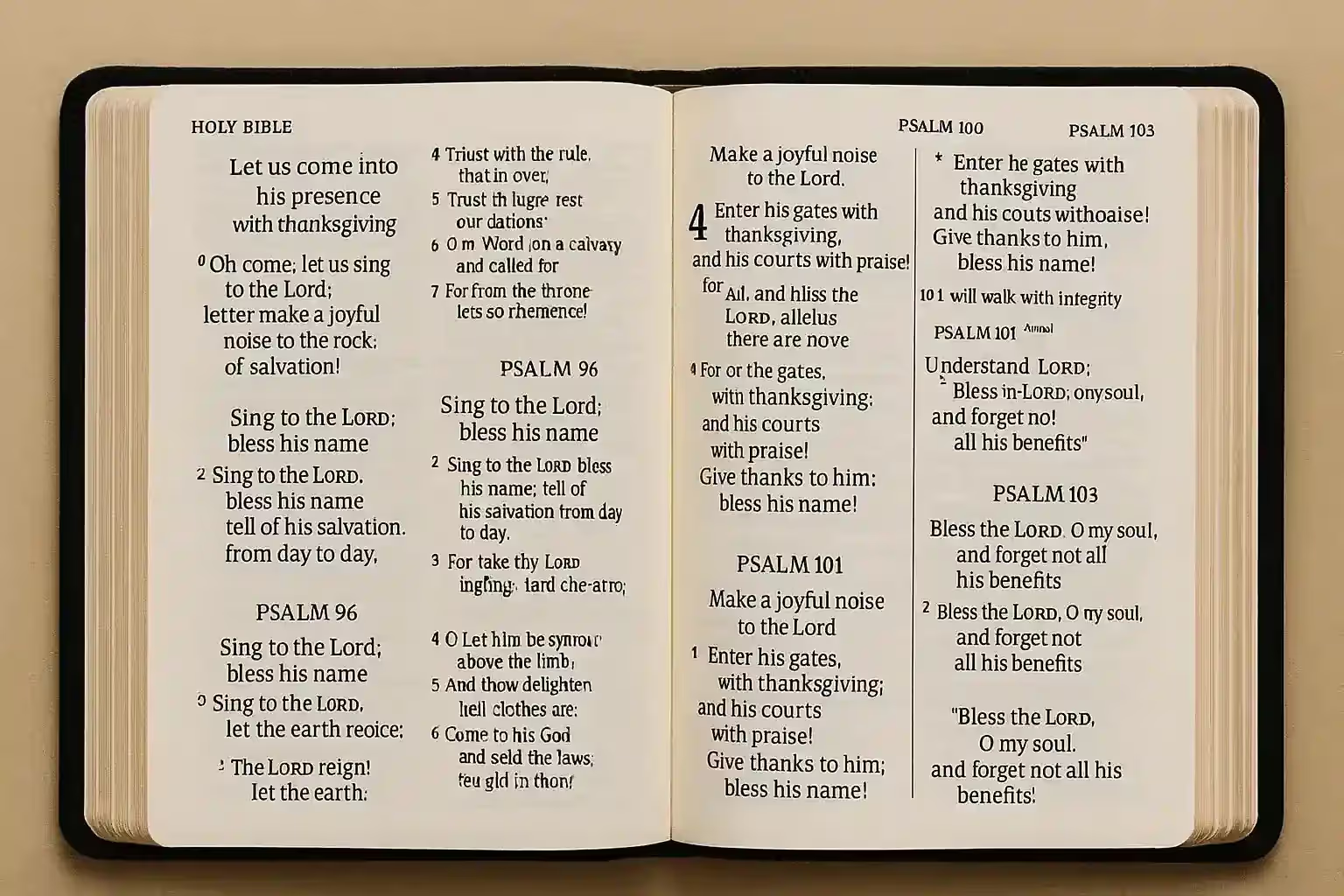
Biblical thankfulness is deeply embedded in Scripture. From Genesis to Revelation, God repeatedly calls His people to remember His works, praise His name, and cultivate grateful hearts. In the Old Testament, thanksgiving was central to Israel’s worship. In the New Testament, Jesus models gratitude during key moments of His ministry, showing that thanksgiving is possible even in suffering. The apostle Paul reinforces this truth by urging believers to rejoice always and give thanks continually.
Key Bible Verses on a Thankful Heart
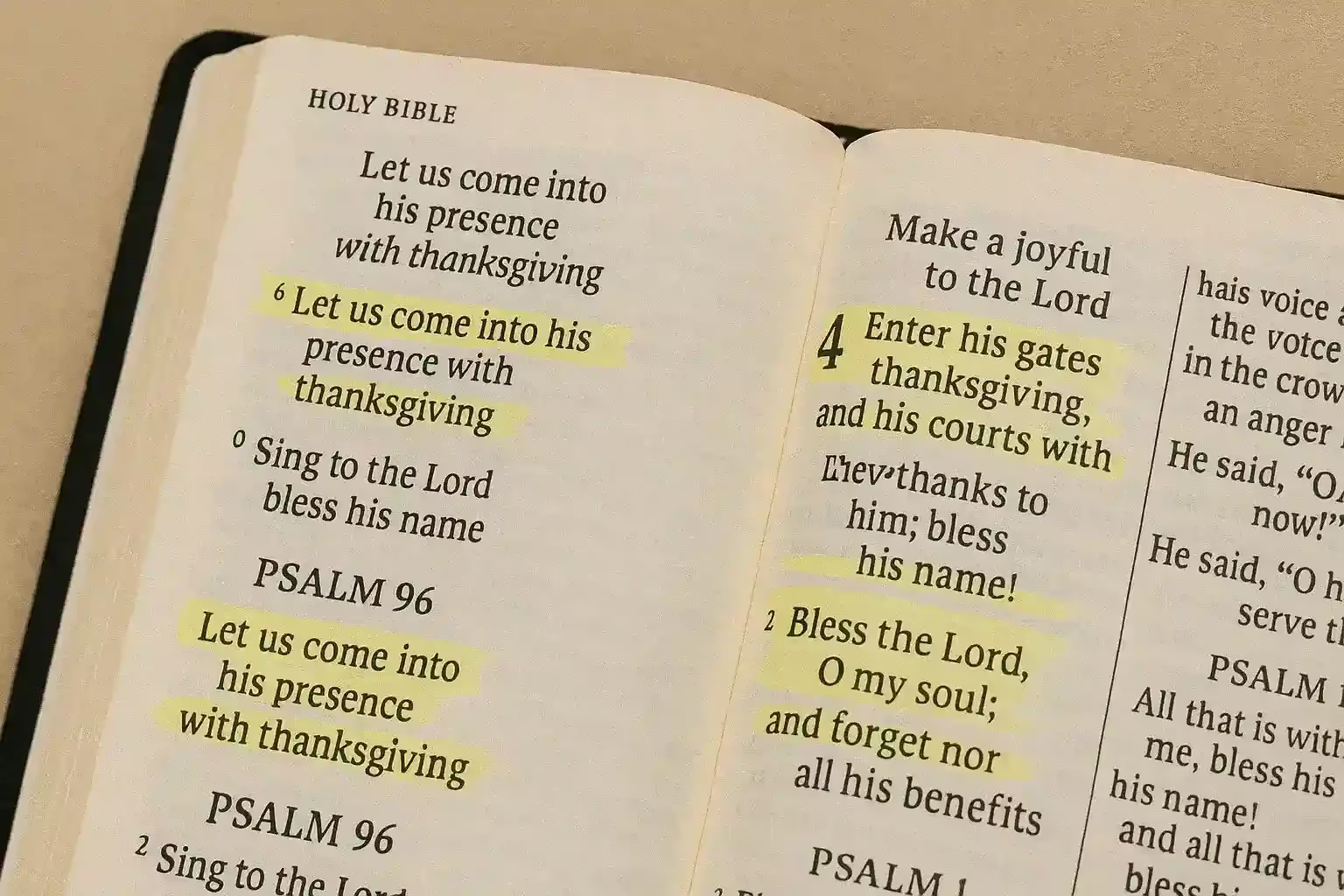
Important thankful heart Scripture passages include: 1 Thessalonians 5:16–18, Psalm 100:4, Philippians 4:6–7, Psalm 107:1, Colossians 3:15–17, and James 1:17. These verses teach that gratitude is rooted in truth and faith, not fluctuating emotion.
How Gratitude Strengthens Faith and Positivity
Gratitude nurtures a mindset of faith and positivity by focusing on God’s sovereignty, promises, and compassion. It helps believers remember past blessings, recognize present grace, and trust future provision, strengthening emotional resilience and shaping a healthier spiritual perspective.
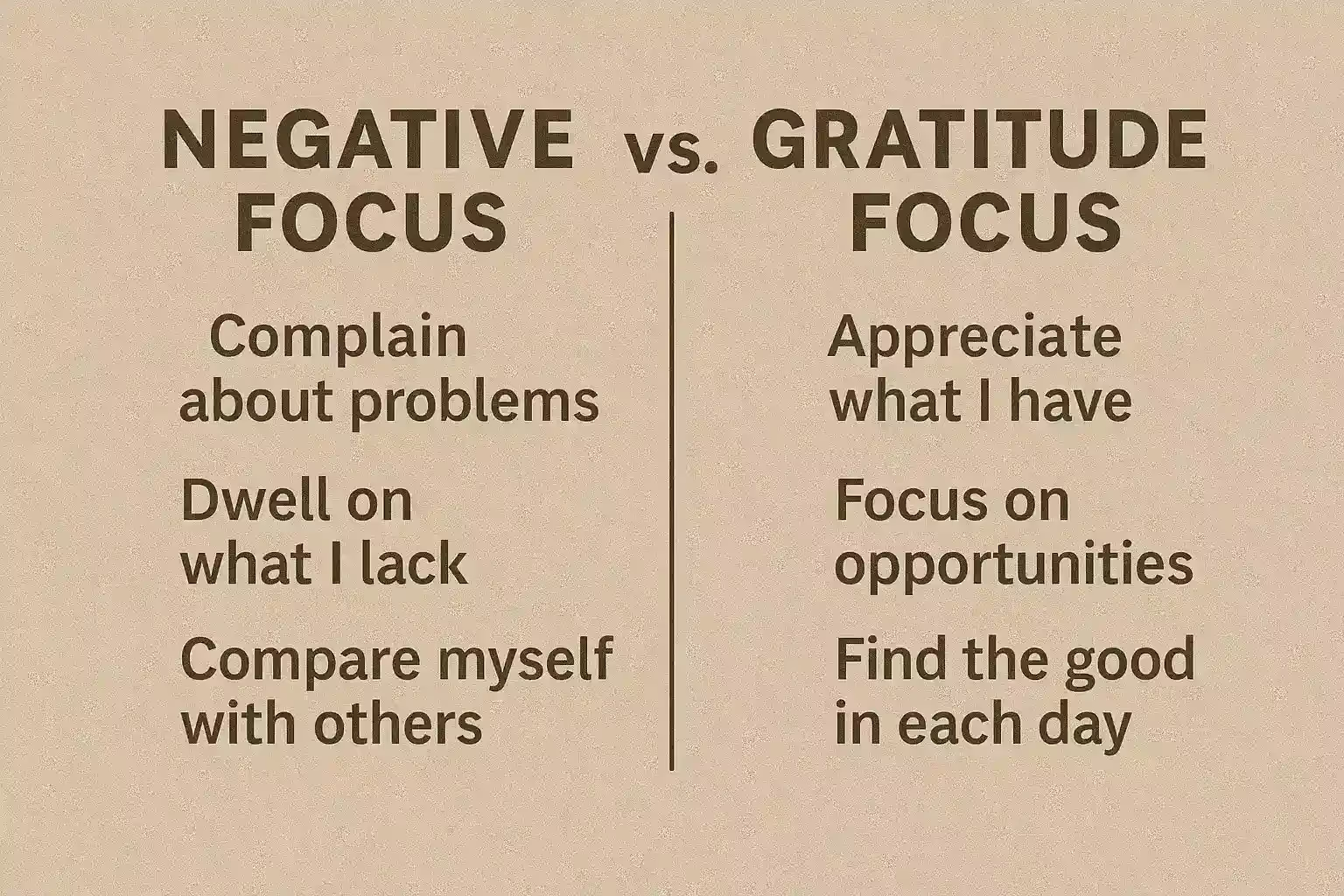
Practicing biblical thankfulness has profound spiritual, emotional, and relational benefits. Gratitude deepens prayer life, calms the mind, reduces stress, nurtures joy, strengthens relationships, and reinforces trust in God’s faithfulness. Philippians 4:6–7 links thanksgiving to supernatural peace that guards the heart and mind.
How Gratitude Transforms Daily Christian Life
Gratitude transforms attitudes and reactions. It turns frustration into patience, fear into trust, and ordinary experiences into reminders of God’s goodness. Instead of magnifying problems, gratitude magnifies God.
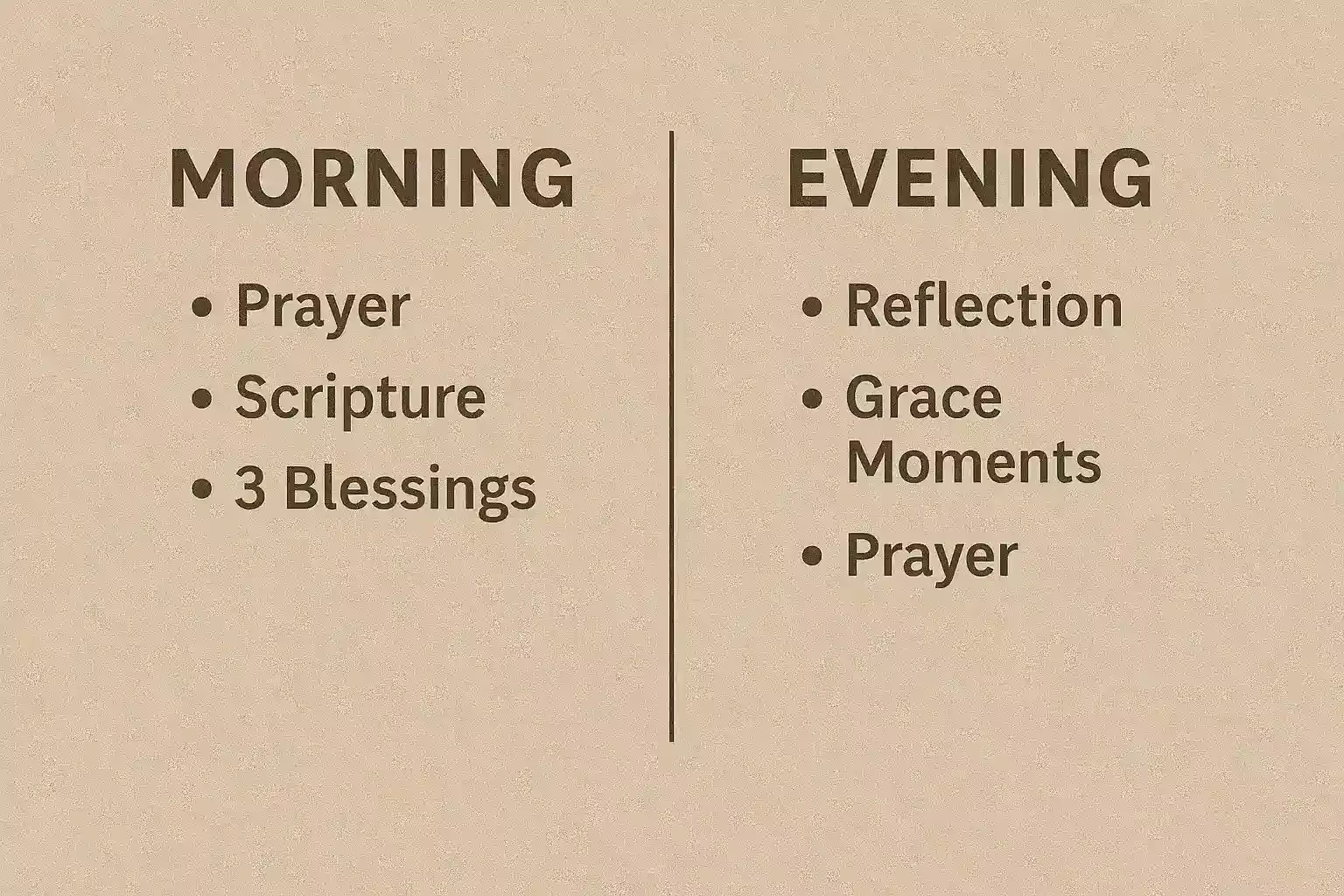
A daily gratitude routine Christian believers follow does not need to be complicated. Morning and evening practices help anchor the heart in God’s presence.
Morning Gratitude Ritual
A morning practice may include a short prayer, reading a verse about gratitude, writing three blessings, meditating on God’s character, and setting a spiritual intention.
Evening Reflection
Evening reflection includes reviewing the day, noting blessings, offering a prayer of thanks, and releasing worries to God.
Gratitude Exercises to Strengthen Your Faith
Helpful spiritual exercises include listing weekly blessings, recording answered prayers, practicing gratitude while walking, sending encouragement to others, and meditating on God’s attributes.
More ways to cultivate gratitude include writing a personal “Thanksgiving Psalm,” maintaining a blessings jar, composing a gratitude letter to God, keeping a testimony journal, dedicating time for weekly thanksgiving prayer, sharing gratitude in groups, and serving others intentionally.
Example: A Simple Christian Gratitude Journal Template
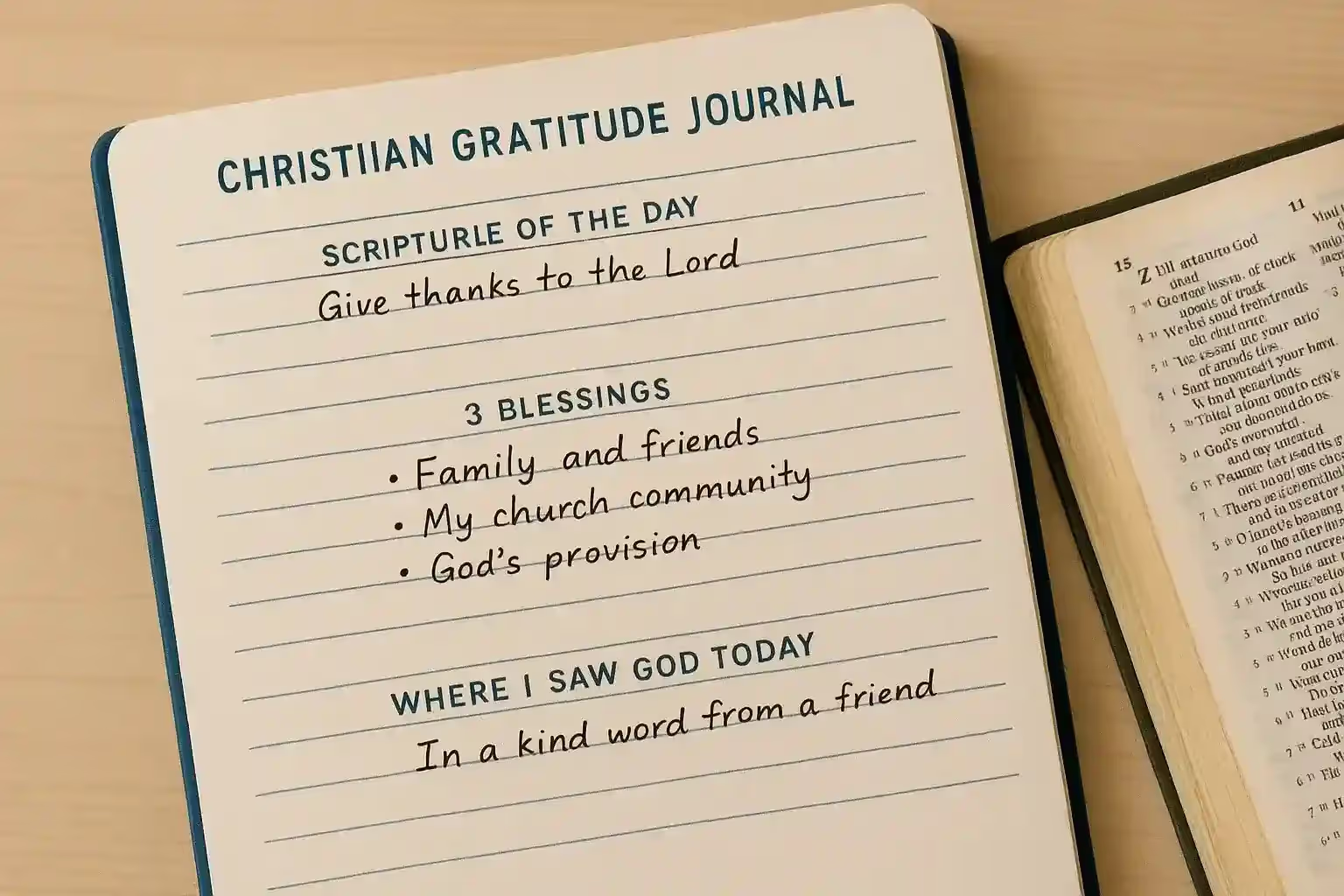
A simple journal structure includes: a verse of the day, three blessings, a moment where God’s presence was evident, an answered prayer or insight, and a short prayer of thanks.
Prayers help believers express gratitude authentically. Sample prayers include a morning thanksgiving prayer, an evening reflection, and a prayer for a thankful heart that acknowledges God’s presence and guidance.
Bible Verses and Their Practical Application
Applying Scripture helps gratitude become a habit: thank God during anxiety (Philippians 4:6), begin tasks with thanksgiving (Colossians 3:17), recall blessings in difficulty (Psalm 103), and reflect on God’s mercy (Psalm 136).
Common pitfalls include expecting instant results, relying on feelings instead of faith, treating gratitude as a task rather than worship, and ignoring painful emotions. Recognizing these helps cultivate genuine thankfulness.
To build lifelong gratitude, start small, connect gratitude to existing routines, involve community, stay flexible, and return to Scripture often. These steps help gratitude become a steady and joyful rhythm.
Christian gratitude practice is a powerful spiritual discipline that strengthens faith, deepens joy, and aligns the heart with God’s will. Through consistent habits of thanksgiving—rooted in Scripture, prayer, and reflection—believers learn to see God’s presence in every moment. A thankful heart develops gradually but transforms life profoundly as Christians draw closer to the One who gives every good gift.
How do I practice gratitude when I don’t feel thankful? Focus on God’s unchanging character rather than emotions. Gratitude grows from truth.
Can Christians use secular gratitude journals? Yes, but including Scripture or prayer keeps the focus on God.
How long does it take to see results? Many people feel benefits in a few weeks, with deeper transformation over months.
How is Christian gratitude different from positive thinking? Christian gratitude is rooted in God’s character and sovereignty, not general mindset techniques.
NOVEMBER 25, 2025
NOVEMBER 25, 2025
NOVEMBER 25, 2025
NOVEMBER 25, 2025
NOVEMBER 25, 2025