

Christian Gratitude Practice: A Biblical Guide to Cultivating a Thankful Heart
NOVEMBER 25, 2025

Catherine Williams had been praying for three years about the same request that seemed both desperately important and frustratingly simple for an omnipotent God to grant if divine love actually cared about human concerns the way scripture promised repeatedly. Her marriage was disintegrating despite her fervent prayers for healing, despite her husband's seeming indifference to the crisis that Catherine alone seemed to recognize as urgent, and despite all the Christian counsel about praying persistently with faith that moves mountains through unwavering belief in God's power to change impossible situations miraculously. She had prayed morning and evening, had enlisted her small group to pray alongside her weekly, had fasted regularly despite the physical difficulty it created, and had done everything that books about effective prayer recommended trying when initial requests go unmet despite sincere asking. Yet three years later, her husband remained emotionally distant, their conversations stayed superficial, and the intimacy that had characterized their early years together seemed as lost as it had been when Catherine first recognized the problem and brought it to God through prayer that confidence assumed would produce results relatively quickly when offered faithfully. Catherine oscillated between feeling angry at God for ignoring her desperate pleas and feeling guilty for lacking the faith that miraculous answers apparently required possessing adequately. She wondered whether God was testing her persistence, punishing some unconfessed sin, preparing her for something that the delay made necessary somehow, or simply not listening to prayers about matters that divine sovereignty had already decided differently than Catherine desperately wanted despite her inability to accept that outcome peacefully. The tension between believing that God could change her situation instantly and facing the reality that God was not doing so despite years of asking created cognitive dissonance that Catherine could not resolve through the theological explanations that well-meaning friends offered when she shared her struggle vulnerably.
This article explores how believers can maintain faith and find peace when sincere prayers remain unanswered despite persistent asking over months or years that test patience severely. Let me walk you through what scripture teaches about divine timing, help you understand what God might be accomplishing through delays that feel like denials, and show you how to live faithfully in the tension between hope and disappointment that unanswered prayer creates unavoidably. I want you to understand that the waiting itself often serves purposes that immediate answers would never accomplish as effectively, even though that truth brings little comfort when you desperately want relief from situations that prayer addresses continually without producing the changes you seek urgently.
Before we explore how to navigate the experience of prayers that seem unanswered, I need to help you understand an important distinction that changes how you interpret delays in receiving what you have asked God to provide or change in your circumstances. The term "unanswered prayer" actually misnames what happens most often when God does not immediately grant requests that sincere faith presents persistently. Think about how this phrase implies that God simply ignores certain prayers, as though divine attention gets overwhelmed by the volume of requests or as though some prayers matter less than others in ways that neglect explains adequately.
However, scripture suggests a more nuanced reality where God responds to all prayers, but where those responses take different forms that immediate granting represents only partially. Let me break this down into three categories that will help you think about your own prayer experiences more accurately. First, some prayers receive "yes" answers where God grants what we request in ways we can recognize clearly, whether immediately or after some delay that preparation required before fulfillment became appropriate. Second, some prayers receive "no" answers where God definitively declines what we request because granting it would ultimately harm us or others despite our sincere belief that receiving it would help significantly. Third, and most relevant to our discussion here, some prayers receive "not yet" answers where God intends to grant what we request but where timing matters crucially for reasons we may understand only partially or not at all currently.
The challenge involves distinguishing between these categories while living in the middle of situations where you cannot see outcomes yet and where God rarely announces explicitly which type of response your particular request is receiving presently. This ambiguity creates the tension that makes waiting so difficult, because you must continue hoping for eventual "yes" while remaining open to possible "no" and while not knowing which you will ultimately receive or when the answer will become clear finally. Let me show you how biblical characters navigated this same tension, because their examples provide guidance for your own experience of waiting for prayers to be answered in ways that clarity reveals eventually.
Let me teach you something important about how God typically works throughout scripture, because understanding this pattern will help you recognize that your experience of waiting for answered prayer places you in good company with faithful believers across biblical history rather than indicating something wrong with your faith particularly. Think about Abraham's story, who received a promise that he would become father of many nations, yet who waited twenty-five years between receiving that promise and seeing its fulfillment through Isaac's birth when Abraham was one hundred years old and Sarah was ninety. Consider Hannah, who prayed year after year for a child while enduring mockery from her husband's other wife who had many children easily, until God finally opened her womb and gave her Samuel after prolonged barrenness that prayer addressed persistently. Remember Joseph, who received dreams suggesting future prominence yet who spent thirteen years in slavery and prison before those dreams began fulfilling through his elevation in Egypt unexpectedly. Reflect on the Israelites, who prayed for deliverance from Egyptian slavery for generations before God sent Moses to lead them out after four centuries of bondage that seemed permanent until intervention arrived suddenly. The pattern across scripture shows that God regularly works through long delays between promise and fulfillment, between asking and receiving, between crying out and being rescued, which means that your experience of waiting does not indicate divine neglect but rather places you within the normal pattern of how God typically operates throughout salvation history consistently.
Now let me help you understand more deeply how to think about the different responses God gives to prayer, because grasping these distinctions will help you navigate your own waiting more wisely. Think of these categories not as rigid boxes but rather as frameworks that illuminate what might be happening during seasons when clarity remains elusive and when discernment requires wisdom that experience develops gradually over time.
The "yes" response represents the straightforward category where God grants what we request in ways we can recognize and celebrate clearly. This might happen immediately, as when Jesus healed people instantly during his earthly ministry, or it might happen after some delay that circumstances required navigating first. The key characteristic involves eventual fulfillment that makes clear God said yes to what we asked, even if timing differed from what we hoped receiving more quickly. These answered prayers build faith through demonstrating God's responsiveness and through teaching us that persistence in prayer matters because continuing to ask eventually produces receiving what we sought faithfully.
The "no" response involves situations where God definitively declines what we request because granting it would ultimately produce harm despite our sincere belief that receiving it would help significantly. Think about Paul's thorn in the flesh, where he pleaded with God three times for removal yet received instead the answer that God's grace was sufficient for him and that divine power is perfected in weakness rather than in removing all difficulties that prayer addresses persistently. Paul's request was not ignored or placed in "not yet" category indefinitely, but rather received clear "no" that redirected Paul's understanding about how God's strength operates through human weakness rather than through eliminating all struggles that believers face inevitably. Sometimes we pray for relationships that God knows would ultimately destroy us, or for opportunities that would lead us away from better purposes God has prepared, or for relief from circumstances that are actually producing character growth that easier paths would never develop as effectively. The "no" answers protect us even when they disappoint us deeply and even when we cannot understand the wisdom behind divine denial that love motivates rather than neglect.
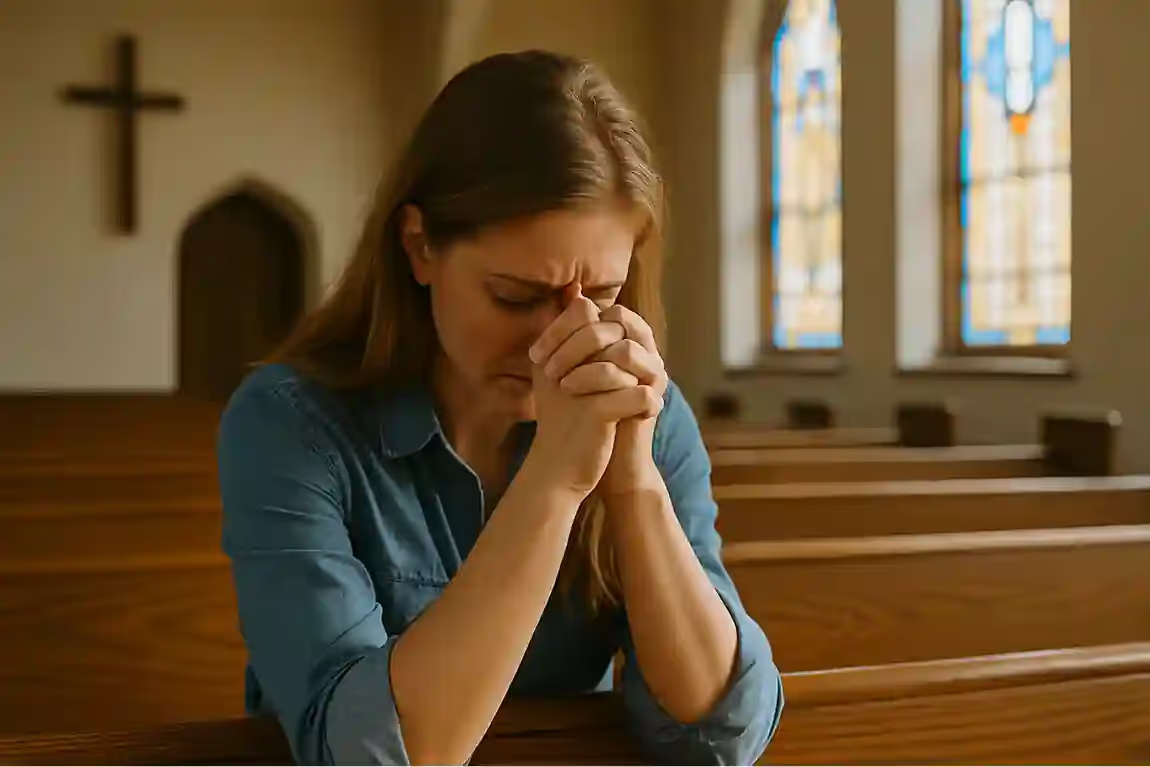
Continue Bringing Your Request to God Honestly Let me explain why continuing to pray about the same request despite prolonged delay matters more than you might realize when discouragement tempts abandoning prayer altogether through assuming that repetition annoys God or demonstrates lack of faith in divine wisdom that acceptance should embrace peacefully. Jesus taught his disciples to persist in prayer through the parable of the persistent widow who kept approaching an unjust judge until he granted her request simply to stop her bothering him repeatedly. Jesus explained that if an unjust judge eventually responds to persistence, how much more will a loving God respond to his children who cry out to him continually about needs that concern them deeply. The point involves not that we must badger God into compliance through annoying repetition, but rather that persistent prayer demonstrates the depth of our desire and that continuing to bring requests to God maintains relationship even when answers do not arrive immediately as we hope receiving quickly. Notice that I said bring your request honestly rather than pretending you have accepted whatever outcome God chooses when actually you still desperately want specific results that prayer continues seeking faithfully. God can handle your honest wrestling, your disappointment, your questions about why delays persist despite sincere asking, and your struggle to trust divine goodness when experience seems to contradict what belief affirms theoretically. The Psalms model this kind of honest prayer that expresses frustration and confusion alongside trust and praise, which shows that authentic prayer includes the full range of human emotion rather than requiring edited versions that pretend we feel more peaceful than we actually do genuinely.
Look for What God Is Doing During the Wait Itself Now let me teach you about an important shift in perspective that transforms how you experience waiting for answered prayer. Rather than viewing the delay as empty time before real life resumes when God finally grants what you seek, try asking what God might be accomplishing in you and through you during this season of waiting that matters just as much as the eventual answer to your original request does ultimately. Think about how Abraham's twenty-five year wait developed his faith in ways that immediate fulfillment would never have strengthened as profoundly. Consider how Hannah's years of barrenness prepared her to dedicate Samuel to God's service with a generosity that might have been harder if children had come easily without the longing that prayer articulated persistently. Reflect on how Joseph's years in prison developed character that equipped him to handle the power he would later receive without being corrupted by it as would have happened if elevation had arrived before maturity made appropriate use of authority possible reliably. The waiting itself serves formative purposes that go beyond merely delaying what we want until circumstances align properly for granting it finally. During prolonged waiting, God often works on our character, deepens our trust, refines our motives, broadens our perspective, and prepares us for blessings we could not handle well if received prematurely before growth made us ready for responsibilities that answers sometimes bring unexpectedly. Organizations like Renovaré offer resources on spiritual formation during difficult seasons that waiting inevitably creates when prayers remain unanswered long-term.
Practice Trust Even When You Cannot See Outcomes Let me show you what faith looks like during seasons when evidence does not support hope and when trusting God feels like blind optimism rather than reasonable confidence based on clear signs that things will work out favorably eventually. The writer of Hebrews defines faith as confidence in what we hope for and assurance about what we do not see, which describes precisely the challenge of maintaining trust when prolonged delay makes outcomes seem increasingly unlikely despite what belief affirms hopefully. Practicing trust during uncertainty does not mean pretending you feel confident when actually you feel anxious, or claiming you understand God's purposes when actually you feel confused, or acting peaceful when actually you feel distressed about situations that prayer addresses without producing visible change yet. Rather, it means choosing to act as though God remains trustworthy even when feelings suggest otherwise currently, continuing to engage spiritual practices that relationship with God requires maintaining faithfully, and refusing to abandon hope even when circumstances tempt despair about whether what you seek will ever arrive finally. Think of this like exercising a muscle that grows stronger through use despite initial difficulty that resistance creates necessarily. Each time you choose trust over despair, patience over demanding immediate answers, hope over cynicism, and continued prayer over abandoned petition, you strengthen faith in ways that easy circumstances would never develop as effectively through lack of challenge that growth demands facing directly.
Hold Your Desires With Open Hands Before God Now let me help you understand a delicate balance that mature faith maintains between persistent asking and genuine surrender to divine will that ultimate outcomes respect even when they differ from what we desperately prefer receiving personally. This balance does not involve choosing between boldly making requests known to God versus passively accepting whatever happens without expressing preferences honestly. Rather, it involves holding both realities simultaneously through continuing to ask for what you want while also acknowledging that God's wisdom may see reasons for declining or delaying that your limited perspective cannot appreciate fully currently. Think of this like holding something in open palms rather than in clenched fists, where you offer what you desire to God while also remaining willing to release it if divine love determines that granting it would ultimately harm rather than help despite your sincere conviction that receiving it would benefit significantly. Jesus modeled this posture in Gethsemane when he prayed for the cup of suffering to pass from him if possible while simultaneously submitting to the Father's will as ultimate authority over outcomes that preference did not determine finally. This combination of honest desire and humble surrender allows you to continue hoping and asking persistently while also building the flexibility that prevents devastating collapse if the answer ultimately proves different from what you sought faithfully over extended periods that test patience severely.
"The waiting between asking and receiving is not empty time where life pauses until God finally responds, but rather sacred space where God accomplishes in you what could never develop through immediate answers that comfort provides temporarily but that character formation requires facing challenges that delay creates unavoidably when growth matters more than ease ultimately."
Let me help you see how the process of waiting for answered prayer often produces changes in you that matter just as much as the eventual outcome of your request does ultimately, even though this truth provides little comfort when you desperately want relief from difficult circumstances that prayer addresses without producing visible change yet. Think about how waiting teaches lessons that immediate answers would never provide as effectively through bypassing the formative struggle that delay creates necessarily.
First, waiting purifies your motives by revealing whether you seek God primarily for what God can give you or whether you love God for who God is regardless of whether divine generosity grants every request that preference presents persistently. This distinction matters enormously because mature faith involves loving God even when life remains difficult, trusting divine goodness even when circumstances suggest otherwise, and maintaining relationship even when prayers go unanswered for extended periods that test loyalty severely. Early in spiritual life, we often approach God primarily as problem-solver who exists to make our lives comfortable through granting wishes that prayer articulates hopefully. However, prolonged waiting forces us to examine whether we can continue loving and trusting God when comfort does not arrive despite sincere asking, which reveals whether our faith is transactional or genuinely relational at its core fundamentally.
Second, waiting develops patience and perseverance that James describes as necessary for spiritual maturity that trials produce when endured faithfully rather than avoided through demanding immediate relief from everything difficult consistently. Our culture conditions us to expect instant gratification in nearly every area of life, from entertainment to food to information to communication that delays rarely interrupt significantly anymore. However, spiritual growth operates on different timelines that instant results never honor because formation requires extended processes that shortcuts would bypass dangerously through producing superficial change rather than deep transformation that lasting character development demands building carefully. The capacity to wait patiently, to maintain hope despite disappointment, to continue faithful practice when emotions do not support motivation, and to trust divine timing even when human impatience demands immediate resolution represents maturity that only actual waiting develops effectively through lived experience that concepts alone never teach adequately.
Let me address one of the most difficult questions that prolonged unanswered prayer raises, which involves knowing when to continue asking persistently versus when to release your request and accept that God's answer may be "no" rather than "not yet" as you have been hoping over extended time that now makes you question whether persistence serves faith or merely reflects stubborn refusal to accept divine will that differs from personal preference stubbornly. This discernment proves challenging because scripture teaches both persistence in prayer and also surrender to God's will, which creates tension that wisdom must navigate carefully without clear rules that apply universally across all situations identically.
Generally speaking, you can continue bringing your request to God as long as the desire remains genuine and as long as continuing to pray about it maintains rather than damages your relationship with God through creating bitterness or through making your entire spiritual life revolve around this single request obsessively. However, you might consider releasing your request if you notice that praying about it has become primarily an expression of demand rather than of trust, if your prayers focus more on telling God what must happen than on seeking divine will genuinely, if the request has consumed your spiritual life to the point that you cannot engage other aspects of faith meaningfully, or if continuing to ask produces increasing anger or resentment toward God that damages relationship rather than deepening it through honest wrestling.
Releasing a request does not mean giving up hope entirely or pretending you no longer care about the outcome that desire still seeks privately. Rather, it means consciously choosing to entrust the situation more fully to God's wisdom while focusing your spiritual energy on other aspects of faith and life that engagement requires investing in meaningfully beyond this single concern that has dominated attention extensively. You might pray something like "God, I still want this deeply, but I am choosing to trust your timing and your wisdom even if the answer ultimately differs from what I prefer. I release my demand that you answer this in the way and timing I think best, and I ask you to help me live faithfully regardless of how this resolves eventually." This kind of release maintains the tension between desire and surrender rather than resolving it prematurely through either abandoning your request entirely or through continuing to demand that God comply with your preferences definitively.

Now let me help you understand what faithful living looks like during seasons when you cannot know whether God will eventually grant your request or whether the answer will ultimately be "no" despite years of hoping and asking persistently. This tension between hope and uncertainty creates discomfort that resolution would relieve but that faith requires enduring when clarity remains elusive indefinitely despite your desire for definitive answers about outcomes that time alone will reveal eventually.
Think about how Abraham maintained hope for decades despite circumstances that made his promise seem increasingly impossible as he and Sarah aged well beyond childbearing years naturally. He lived in tension between God's promise and biological reality that contradicted it completely, yet scripture says he did not waver in unbelief but rather grew strong in faith while giving glory to God and being fully convinced that God was able to do what had been promised despite evidence suggesting otherwise increasingly. Notice that Abraham's faith did not involve pretending biological facts did not exist or claiming to feel confident when he felt doubtful actually. Rather, it involved choosing to trust God's promise more than current circumstances, continuing to live as though the promise would eventually fulfill despite delay that tested patience severely, and maintaining relationship with God through the long years when nothing changed visibly despite what belief affirmed hopefully.
Similarly, you can live faithfully in tension between your prayers and present reality through continuing to hope while also accepting present circumstances, through planning for the future you desire while also remaining flexible to different outcomes that divine wisdom might determine ultimately, and through maintaining trust in God's goodness even when that goodness does not manifest in the specific ways you have been requesting persistently over time that makes you question whether answers will ever arrive finally. Resources from Christianity Today and The Gospel Coalition provide additional frameworks for thinking about these difficult questions wisely.
Catherine Williams from our opening story eventually reached a turning point in how she approached her long-unanswered prayers about her marriage. The shift happened not through receiving the dramatic transformation she had been seeking for three years, but rather through recognizing that her obsessive focus on getting God to fix her husband had prevented her from seeing what God was trying to teach her about control, about her own issues that the marital problems revealed, and about the difference between loving someone well versus trying to manage their choices through prayer that manipulation disguised as intercession actually.
Catherine began praying differently, asking God to change whatever needed changing in her rather than focusing exclusively on what needed changing in her husband. She stopped viewing the delay as divine neglect and started asking what God might be accomplishing during this difficult season that immediate answers would have prevented her from learning through bypassing the growth that struggle creates necessarily. She continued hoping that her marriage would heal, but she also started accepting that the outcome ultimately rested in God's hands and in her husband's choices rather than in her ability to pray correctly enough to force divine intervention that free will would override coercively.
Eighteen months after this shift in perspective, Catherine's prayers began receiving answers, though not in the dramatic way she had originally envisioned when assuming that answered prayer meant her husband would suddenly become the person she wanted him being automatically. Instead, the answer came through her husband tentatively approaching her about marriage counseling after observing changes in Catherine that her new prayers had produced through working on herself rather than trying to fix him exclusively. The counseling process proved difficult and progress came slowly with setbacks that discouraged regularly. Yet Catherine found that she could navigate this uncertainty with greater peace than the previous years had contained, because she had learned that her security rested in God's faithfulness rather than in her husband's choices or in her prayers producing specific outcomes that preference demanded receiving immediately. The three years that had felt wasted in retrospect proved to be the preparation she needed for handling the slow work of marital healing with patience she had not possessed initially when expecting quick fixes that prayer should produce magically. She learned that "not yet" sometimes means God is preparing both the gift and the receiver simultaneously, and that the waiting develops capacity for receiving well what would have overwhelmed or been misused if granted prematurely before readiness made appropriate stewardship possible reliably through maturity that only time and struggle develop effectively ultimately.
As you navigate your own season of unanswered prayer, remember these essential truths that can sustain faith during prolonged waiting:
Consider engaging with resources from organizations like InterVarsity and The Navigators that offer biblically grounded teaching on prayer, suffering, and trusting God during difficult seasons. These communities provide support for believers wrestling with questions that prolonged unanswered prayer raises about divine character and faithfulness.
Your experience of waiting for answered prayer places you in good company with faithful believers throughout history who have discovered that God's "not yet" often accomplishes purposes far greater than immediate "yes" ever could have achieved. The waiting itself becomes sacred space where transformation happens through processes that comfort would never allow completing fully. Trust that God remains at work even in the silence, and continue bringing your honest requests while also holding them with open hands before the One whose wisdom and love exceed what limited human perspective can fully grasp presently.
NOVEMBER 25, 2025
NOVEMBER 25, 2025
NOVEMBER 25, 2025
NOVEMBER 25, 2025
NOVEMBER 25, 2025