

Why Christian Community Matters More Than Ever
NOVEMBER 25, 2025
Conflict is an unavoidable part of life, yet the Bible offers a comprehensive and transformative framework for navigating disagreements with wisdom, truth, and grace. Biblical conflict resolution is not simply a set of techniques—it is a posture of the heart shaped by Scripture, humility, forgiveness, and spiritual maturity. Whether the conflict occurs in marriage, family, friendships, or the church, God provides a roadmap for reconciliation and restoration. This guide explores what the Bible says about conflict, how believers can apply biblical principles, and how to handle conflict in practical, godly ways. With step-by-step processes, examples, scriptures, and real-life scenarios, this article is designed to equip Christians to live as true peacemakers.
Conflict appears throughout the Bible, from Genesis to Revelation. Rather than present an idealized picture of human interaction, Scripture gives transparent insight into broken relationships, disagreements, betrayals, misunderstandings, and even violence. Through these stories and teachings, we learn not only why conflict occurs but what the Bible says about resolving conflict and how God desires His people to seek peace.
Why Conflicts Arise: Causes and Human Nature
James 4:1–2 identifies the root of conflict: selfish desires, unmet expectations, envy, pride, and the cravings of the human heart. Conflict is often the result of miscommunication, competing desires, assumptions or misunderstandings, emotional wounds, fear or insecurity, unresolved past hurts, or sinful attitudes like pride, anger, or bitterness. Ultimately, conflict reveals matters of the heart. God often uses these moments to expose areas where we need healing, repentance, growth, and greater dependence on His Spirit.

Key Bible Verses on Conflict Resolution
These scriptures on conflict resolution form the biblical foundation: Matthew 5:9, Romans 12:18, Proverbs 15:1, Ephesians 4:31–32, Colossians 3:13–14, Philippians 2:3. These passages also answer what the Bible says about conflict and provide guidance for daily interactions.
Humility in Conflict
Humility is the foundation of Christian peacemaking. A prideful heart resists correction and prioritizes personal victory. A humble heart seeks understanding, owns mistakes, and values relationships over ego. Proverbs 11:2 and Philippians 2:3 teach that humility opens the door for unity, healing, and wisdom.
Godly Communication and Listening
Communication can build bridges or erect walls. Godly communication includes speaking truth in love, listening more than talking, being slow to anger, avoiding accusatory or manipulative language, and being honest but gracious. This disarms hostility and makes space for connection even during difficult conversations.
Forgiveness and Reconciliation
Forgiveness is one of the most powerful biblical tools in conflict. It does not erase consequences or eliminate accountability, but it frees the heart from bitterness. Forgiveness is also the gateway to restoration. When believers practice forgiveness in relationships, they reflect Christ’s forgiveness and open the door to reconciliation, one of the central steps to reconciliation in the Bible.
The Role of Love, Patience, and Grace
Love, patience, and grace shape the atmosphere of reconciliation. Love covers offenses; patience gives time for healing; grace offers undeserved kindness—mirroring Christ.
Peacemaking Steps Based on Scripture
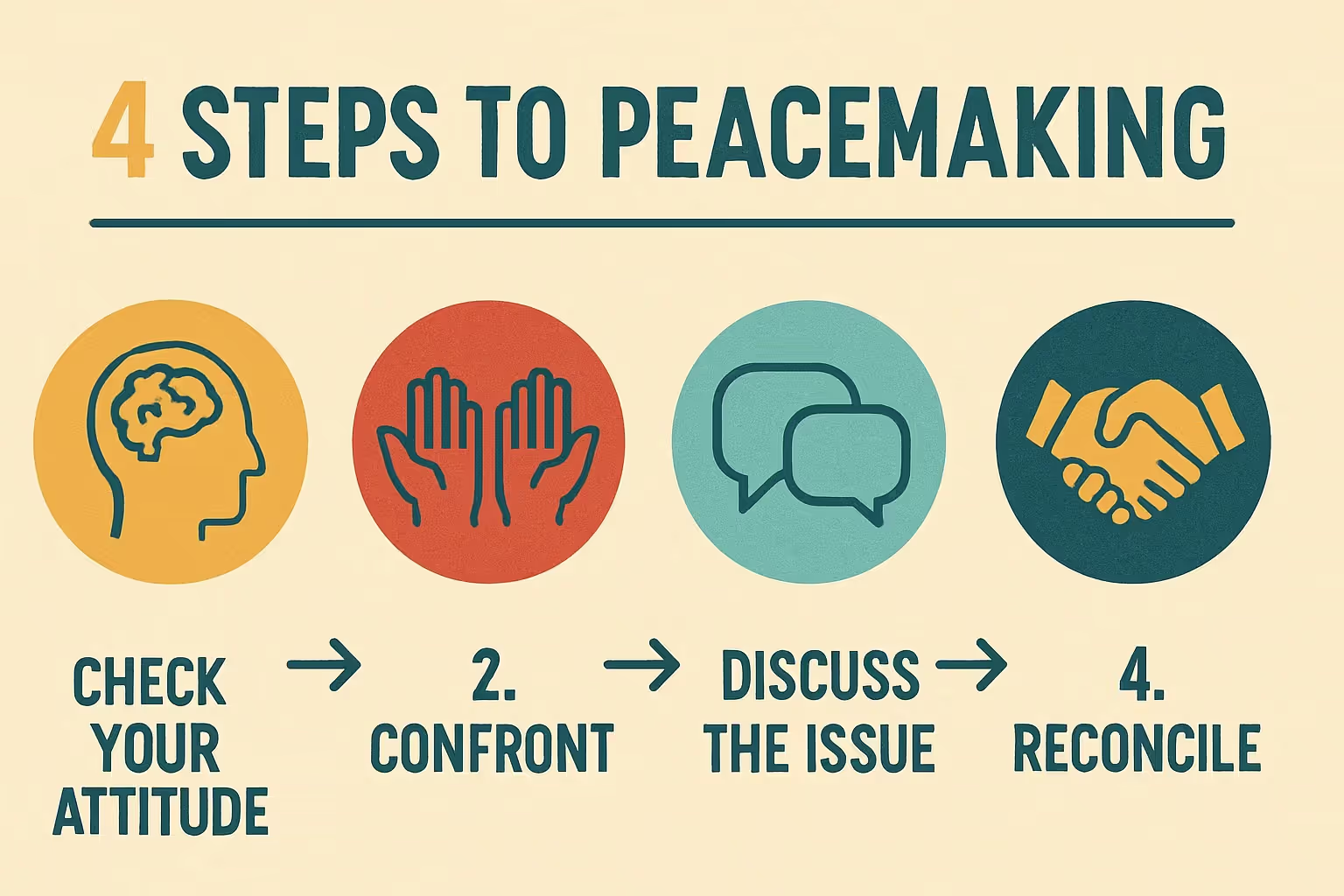
Peacemaking is proactive. Inspired by biblical teaching, believers can follow this sequence: self-examination, prayer, private conversation, listening with empathy, speaking truth in love, seeking common ground, forgiveness and repentance, and restoration of relationship.
The Matthew 18 Conflict Resolution Model
The Matthew 18 conflict process provides a clear biblical pattern: address the issue privately; if unresolved, bring witnesses; if still unresolved, involve church leadership; if a person refuses correction, further action may be necessary. Matthew 18 emphasizes that conflict resolution must be relational, restorative, and community-oriented—not punitive.
Handling Disagreements the Christian Way
Handling disagreements the Christian way means refusing to gossip, not weaponizing Scripture, avoiding assumptions, using gentle correction, and prioritizing unity over winning. It also means being willing to say, “I may be wrong,” reflecting Christlike humility.
How to Restore Peace in Relationships
Restoring peace in relationships involves confession, repentance, forgiveness, and renewed boundaries. This often includes setting clearer expectations, improving communication patterns, and building accountability.

Communication Patterns in a Godly Marriage
Couples must learn healthy communication habits such as speaking gently, expressing feelings clearly, avoiding sarcasm or passive aggression, and seeking understanding—not victory. These habits build intimacy and cooperation.
Overcoming Hurt, Anger, and Misunderstandings
Conflict often stems from unresolved hurt. Biblical ways to resolve conflict in marriage include confessing wrongs, apologizing sincerely, making amends, setting shared goals, praying together, and understanding emotional triggers. Healing emotional wounds is crucial.
Bible Verses About Conflict in Relationships
Key verses that support marital peace include Proverbs 17:14, Colossians 3:12–15, and 1 Corinthians 13. These verses provide comfort, direction, and correction.

Family Roles and Responsibilities According to Scripture
God designed families for mutual honor and spiritual growth. Parents lead with love, children honor parents, siblings support each other, and extended families nurture unity. Understanding roles reduces confusion and resentment.
How to Handle Family Conflict Biblically: Practical Steps
Biblical guidance includes addressing issues promptly, avoiding triangulation, holding family meetings, offering apologies, using Scripture during reconciliation, and praying for unity.
Steps to Restoring Unity at Home
Unity is restored through honest conversations, forgiveness, rebuilding trust, establishing healthier communication norms, and maintaining consistent emotional support.
Leadership Responsibilities
Church leaders must promote peace, teach conflict-resolution principles, model humility, address issues directly, and mediate when needed.
When to Involve Elders or Mediators
When private reconciliation efforts fail, Scripture encourages involving mature believers who can mediate fairly.
Maintaining Unity in the Body of Christ
Unity is maintained by truth, forgiveness, mutual submission, shared mission, and compassion.
Conflict may remain unresolved due to abuse, persistent unrepentance, safety concerns, emotional immaturity, or boundary violations. Believers may forgive without restoring full trust, establish boundaries, or seek outside counsel. Boundaries protect peace.
Communication Frameworks
Useful frameworks include using “I feel” statements, reflective listening, clarifying questions, and taking breaks during emotional escalation.
Prayers for Peace and Reconciliation
Prayer invites God’s presence through asking for wisdom, humility, forgiveness, restored unity, and softened hearts.
When Professional Christian Counseling Is Helpful
Counseling is useful when conflicts repeat, communication breaks down, wounds run deep, trauma is present, or neutral guidance is needed.
Peacekeeping vs. Peacemaking. Peacekeeping avoids tension; peacemaking confronts it with truth and grace.
Does Forgiveness Require Trust? Forgiveness is immediate; trust is rebuilt gradually.
Healthy Boundaries in Relationships. Boundaries protect emotional, spiritual, and physical well-being.
Biblical conflict resolution calls believers to humility, forgiveness, truth, and grace. By following God’s principles, Christians experience healing and unity in marriage, family, friendships, and church. True peacemakers reflect the heart of Christ and glorify God in their relationships.
1. What does the Bible say about resolving conflict? Scripture teaches believers to pursue peace through humility, truth, forgiveness, and direct communication.
2. What does the Bible say about disagreements? The Bible acknowledges disagreements as inevitable but calls Christians to handle them with patience and love.
3. What are the main scriptures on conflict resolution? Matthew 18, Romans 12:18, Proverbs 15:1, Ephesians 4:31–32, and Colossians 3:12–15.
4. How should Christians handle disagreements? By listening well, avoiding anger, speaking truth in love, and seeking reconciliation.
5. How can families handle conflict biblically? Through honest communication, forgiveness, prayer, and aligning with biblical values.
6. What verses help with conflict in marriage? Proverbs 17:14, Colossians 3, Ephesians 4, and 1 Corinthians 13.
7. How do you deal with church conflict biblically? Through Matthew 18, wise mediation, prayer, and leadership involvement.
8. What does the Bible say about resolving conflict in difficult relationships? It teaches to forgive, set boundaries, seek peace, and trust God with outcomes.
NOVEMBER 25, 2025
NOVEMBER 25, 2025
NOVEMBER 24, 2025
NOVEMBER 24, 2025
NOVEMBER 24, 2025